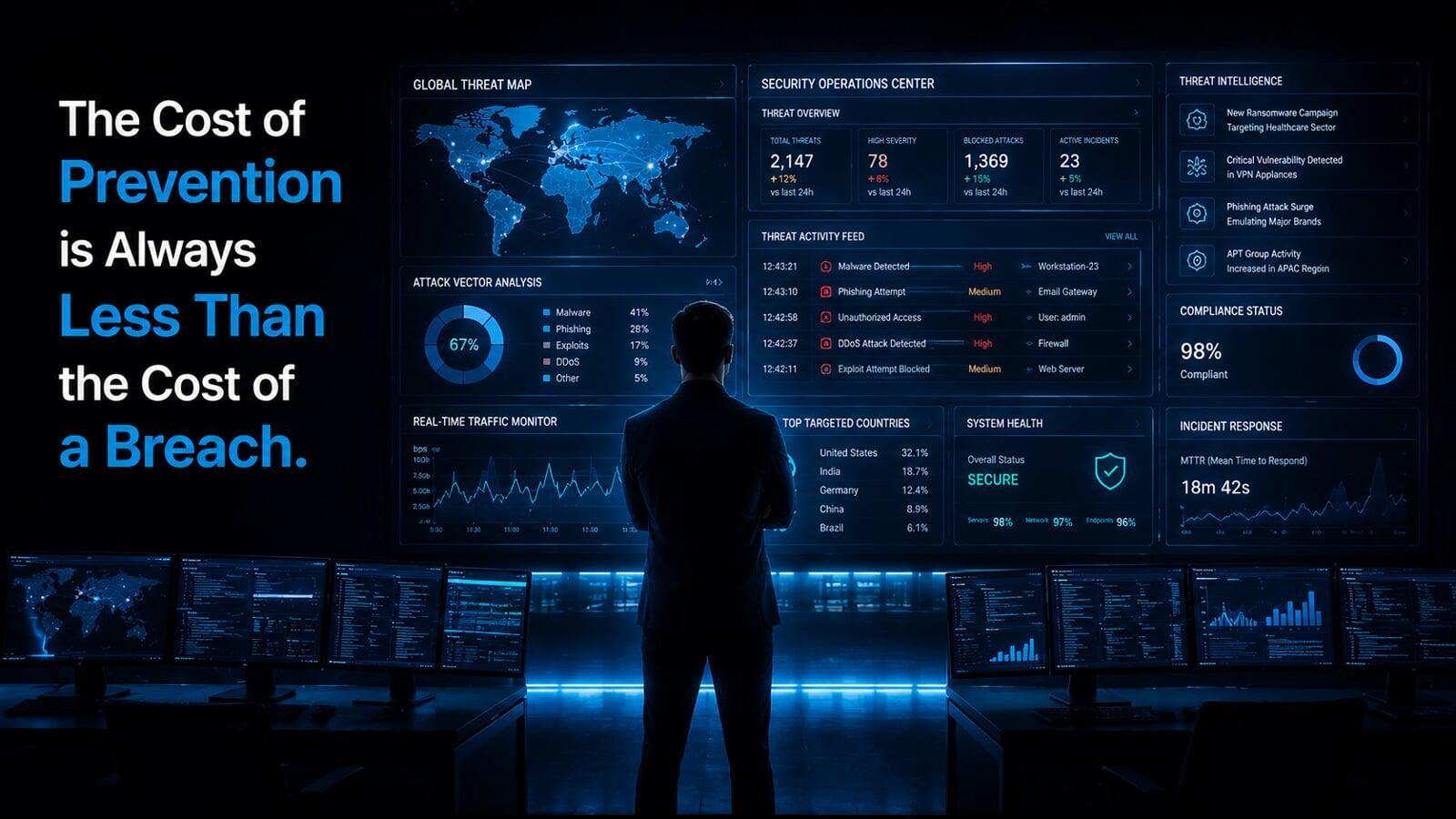
Managed Security Services: No Longer Optional for Indian Businesses,As cyber threats grow more sophisticated and India's DPDPA compliance requirements tighten, managed security services have become essential for businesses of all sizes. Ransomware attacks, data breaches, and phishing campaigns are increasingly targeting Indian enterprises, making round-the-clock protection a critical need. A professionally managed SOC delivers continuous threat monitoring, rapid incident response, and regulatory compliance, capabilities most in-house teams lack. Protecting your data, operations, and reputation is no longer just an IT priority; it's a boardroom imperative.
Introduction
Here is a fact that should make every business leader sit up: India recorded more than 2.2 million cybersecurity incidents between 2021 and mid-2025, averaging over 3,000 attacks every single day, according to CERT-In. In 2025 alone, Indian organizations faced an average of 2,011 cyberattacks per week, a figure significantly higher than the global average. And if your business operates digitally, it does not matter whether you run a logistics network powered by warehouse automation software, a financial services firm, or a mid-sized manufacturing company. You are a target.
The average cost of a data breach in India reached an all-time high of ₹22 crore in 2025, a 13% jump from the previous year. This is not a statistic that exists in a vacuum. We have seen household Indian brand names, from BSNL and boAt to Angel One and Hathway, make headlines for exactly the wrong reasons in recent years. Each breach carried not just financial consequences, but lasting reputational damage.
This is precisely where managed security services (MSS) step in as a game-changer. Rather than building an in-house security operations center from scratch, an expensive, time-consuming proposition even for large enterprises , businesses today are turning to Managed Security Service Providers (MSSPs) to monitor their networks around the clock, detect threats before they escalate, and ensure regulatory compliance.
India Cybersecurity at a Glance
Understanding Managed Security Services: What They Actually Cover
Before discussing why businesses need managed security services, it is worth clarifying what they encompass. Many decision-makers still conflate MSS with basic antivirus software or a firewall subscription. In reality, managed security services represent a comprehensive, outsourced approach to an organisation's entire security posture.
- 24/7 Security Operations Centre (SOC): Continuous monitoring of your network, endpoints, and cloud environments for anomalies and intrusions.
- Threat Intelligence & Detection: Proactively identifying new attack vectors, from infostealer malware to AI-powered phishing, before they breach your defences.
- Vulnerability Management: Regular scanning, assessment, and remediation of weaknesses in your infrastructure.
- Incident Response (IR): A defined, battle-tested process to contain, investigate, and recover from a breach with minimum downtime.
- Compliance Management: Helping organizations meet obligations under India's Digital Personal Data Protection Act (DPDPA), RBI guidelines, SEBI norms, and sector-specific mandates.
- Endpoint Detection & Response (EDR): Protecting every device, laptop, server, IoT sensor, against compromise.
Security Information and Event Management (SIEM):Aggregating and correlating security events across the environment for a unified threat view.
Importantly, modern MSSPs extend their coverage to cloud environments, OT/SCADA networks, and even supply chain third-party risk. For organizations running warehouse automation software that connects sensors, barcode scanners, robotic systems, and ERP platforms on a shared network, this coverage is critical.
India's Escalating Cyber Threat Landscape: The Context Businesses Cannot Ignore
India is the second most targeted nation in the world when it comes to cyberattacks. That ranking carries uncomfortable consequences for every business operating here, regardless of size. Let us examine what the threat landscape actually looks like in 2025.
Ransomware: No Longer Just an IT Problem
Ransomware has evolved into an operational catastrophe. In 2024, Polycab India, a leading cable manufacturer, suffered a ransomware attack that resulted in a ₹20 crore operational loss. The breach began from a single infected employee workstation and rippled through their supplier and distributor network. Hospitals, asset management firms, and government portals have all experienced similar paralysis.
Between 2024 and 2026, ransomware attacks in India shifted from data theft to operational disruption, targeting healthcare, manufacturing, and energy infrastructure. In the manufacturing sector, specifically, the absence of network segmentation between IT and OT systems creates systemic risk.
AI-Powered Phishing and Deepfake Fraud
In 2025, artificial intelligence fundamentally changed how attackers operate. Automated phishing generation now enables convincing, personalized emails at a massive scale. Adaptive malware evolves in real-time to bypass conventional security measures. Deepfake videos and voice calls impersonating executives or trusted officials have already led to several high-value wire transfer frauds across Indian fin tech and banking firms.
Cloud Misconfigurations: The Silent Epidemic
Less than 9% of sensitive cloud data in India is encrypted, making cloud misconfigurations one of the leading causes of data exposure. The Angel One breach in early 2025, which exposed the data of 7.9 million users via an unsecured AWS storage bucket, is a sobering example of how easily cloud environments can be exploited when security practices lag behind cloud adoption.
Supply Chain Attacks
Attackers are increasingly targeting vendor access pathways rather than attacking organizations directly. The ICICI Bank malware incident of 2025, where the Bashe ransomware group allegedly harvested credentials through a compromised third-party vendor portal, illustrates this approach clearly. As Indian enterprises expand their digital ecosystems with partners, SaaS providers, and cloud connectors, third-party risk management becomes non-negotiable.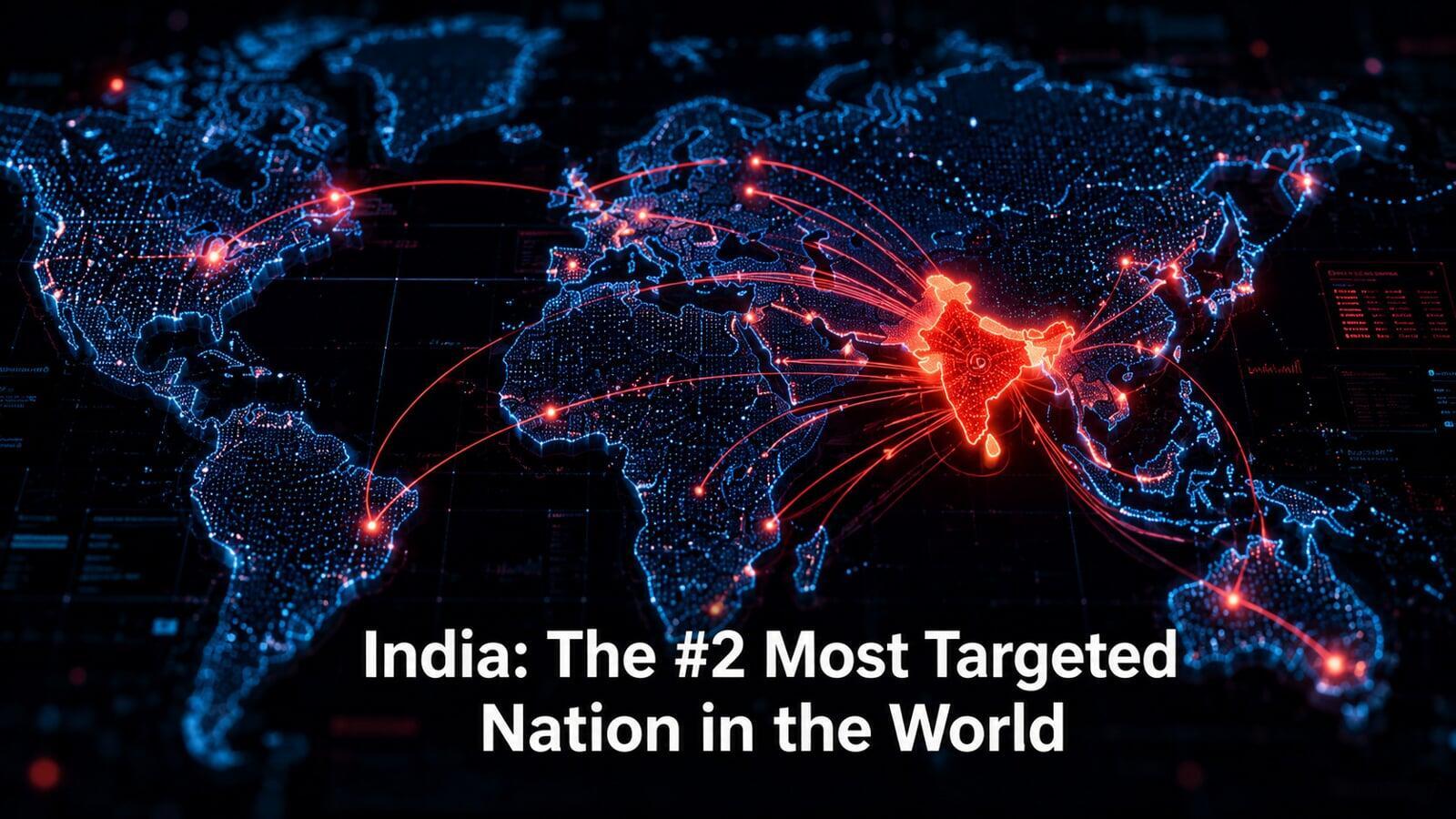
The Business Case for Managed Security Services: Beyond Risk Mitigation
We often hear cybersecurity discussed purely in terms of risk, what you stand to lose if attacked. That framing, while valid, misses half the picture. There is an equally compelling business case for managed security services based on operational efficiency, competitive advantage, and cost optimization.
Cost Efficiency at Scale
Building an in-house Security Operations Centre requires significant investment in infrastructure, SIEM tools, threat intelligence feeds, and most importantly, skilled personnel. The global shortage of cybersecurity professionals is particularly acute in India, where demand for security experts far outpaces supply. Salaries for experienced SOC analysts, threat hunters, and incident responders have surged accordingly.
An MSSP, by contrast, distributes these costs across its client base. A mid-sized Indian enterprise can access enterprise-grade cyber security solutions, 24/7 SOC, threat intelligence, compliance reporting, at a fraction of what it would cost to replicate in-house.
Enabling Digital Transformation Confidently
Whether an organization is migrating to the cloud, deploying warehouse automation software, adopting UPI-based payments, or rolling out remote work infrastructure, each initiative expands the attack surface. Managed security services provide the security scaffolding that makes these transformations sustainable, rather than reckless.
Regulatory Compliance as a Strategic Asset
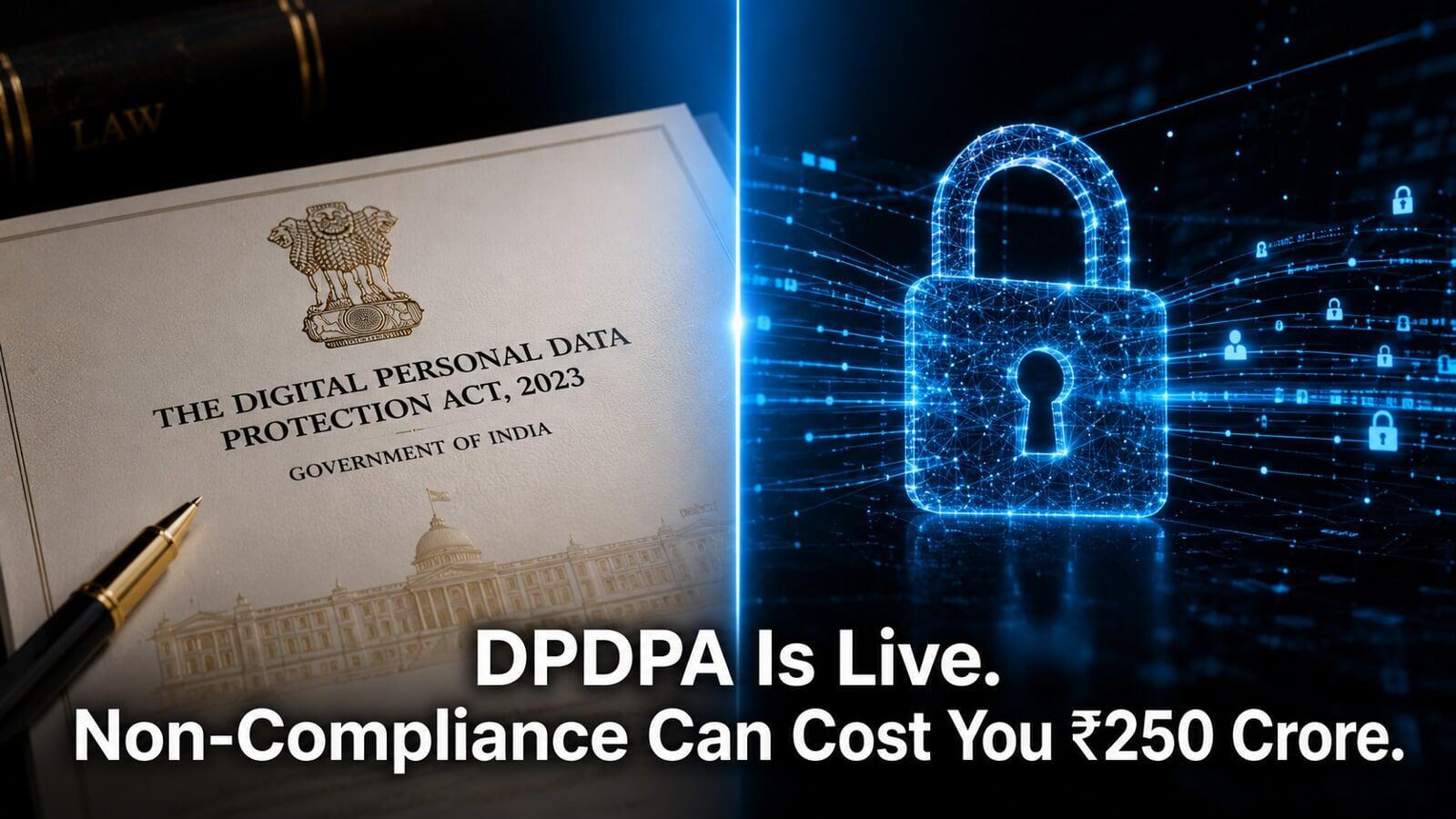
India's Digital Personal Data Protection Act (DPDPA) imposes mandatory breach notification requirements, often within 6 hours to CERT-In, alongside financial penalties that can reach ₹250 crore for serious violations. RBI, SEBI, and IRDAI all maintain sector-specific cybersecurity directives. An MSSP that specialises in compliance management turns a regulatory burden into a strategic advantage, helping organizations stay audit-ready at all times.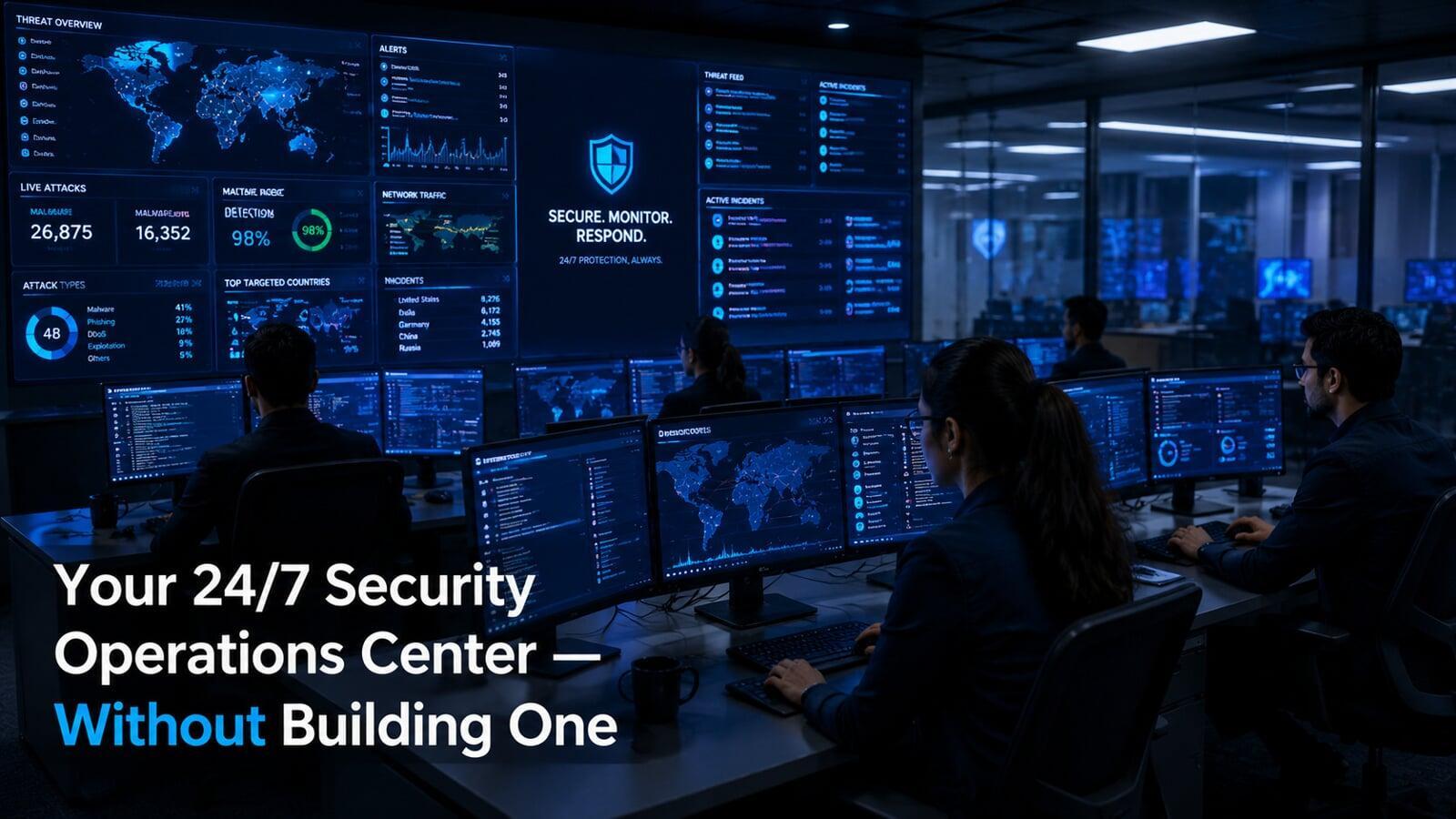
Warehouse Automation Software and Cybersecurity: A Critical Intersection
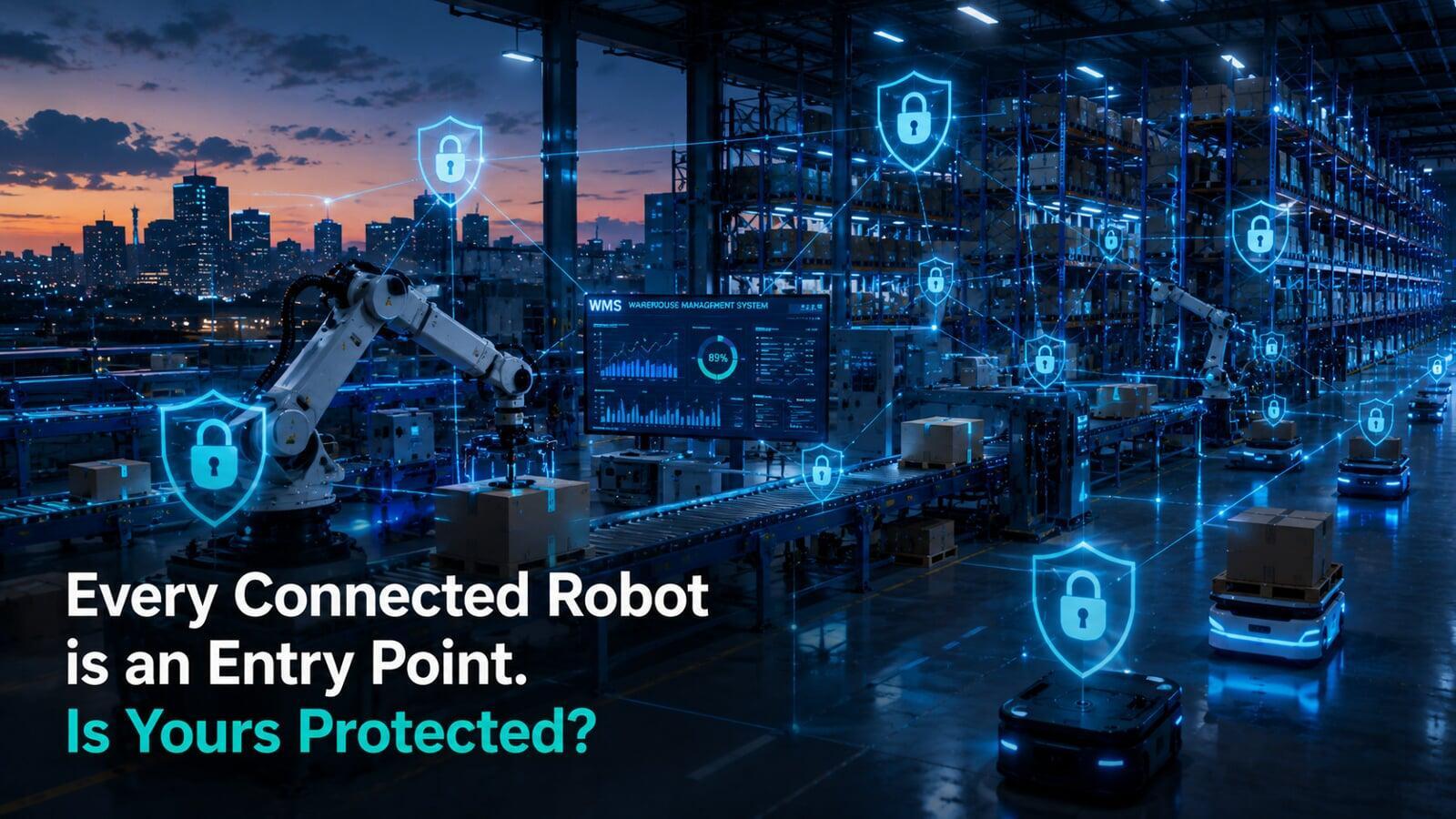
This is a dimension of managed security services that often goes under discussed. As Indian logistics, e-commerce, and manufacturing companies invest in warehouse automation software, integrating robotic picking systems, automated conveyors, IoT-enabled inventory tracking, barcode scanners, and WMS platforms, they simultaneously create new and complex cybersecurity exposures.
Why Automated Warehouses Are Cybersecurity Targets
Modern warehouse management systems are no longer standalone software. They connect to:
- ERP and supply chain platforms (SAP, Oracle, Microsoft Dynamics)
- IoT sensor networks monitoring temperature, inventory levels, and equipment status
- Robotic process control systems that manage automated guided vehicles (AGVs) and conveyors
- Third-party logistics (3PL) portals connecting with vendors, freight carriers, and customs platforms
- Cloud-based analytics dashboards accessed by multiple stakeholders
Each of these integration points is a potential entry vector. A cyberattack that compromises warehouse automation software does not merely steal data, it can halt operations entirely, disrupt fulfillment SLAs, damage customer relationships, and in the case of cold chain or pharmaceutical warehouses, create safety and compliance risks.
What MSS Coverage Looks Like for Automated Warehouses
Managed security services tailored for warehouse and logistics environments typically include:
OT/IT network segmentation to isolate robotic control systems from corporate IT
Real-time monitoring of WMS access logs and anomalous user behaviour
Vendor access controls and third-party risk assessments
Endpoint protection for warehouse terminals, handheld scanners, and supervisory workstations
Business continuity planning specific to operational technology environments
Delphi Infotech offers integrated cyber security solutions designed to protect modern warehouse operations, from software-level security to network architecture review.
Key Components of a Robust Cyber Security Solution
Not all cybersecurity solutions are created equal. We often see organizations invest in isolated point products, a firewall here, an antivirus there, without the overarching framework needed to genuinely protect their environment. Below, we outline the components that define a truly effective security posture:
Delphi Infotech brings this integrated view to their cybersecurity solutions practice. Rather than deploying siloed tools, their approach, detailed at delphiinfo.com/cybersecurity-solutions, focuses on building layered defences that account for today's hybrid, multi-cloud enterprise environments.
Cybersecurity Awareness Training: The Human Firewall
Technology can only take an organizationso far. One of the most consistent findings in cybersecurity incident post-mortems is that human behaviour remains the primary attack vector. Phishing accounts for 22% of all Indian data breaches; compromised credentials account for another 16%. These are not technology failures; they are failures of awareness.
What Effective Awareness Training Looks Like
Cybersecurity awareness training has evolved significantly from the annual compliance tick-box it once was. Modern programs include:
- Simulated phishing campaigns that test employees with realistic, contextually appropriate lures
- Role-based training modules tailored to finance teams, warehouse staff, IT administrators, and C-suite executives
- Social engineering simulations including vishing (voice phishing) and deepfake scenarios
- Incident reporting drills that reinforce the correct response when something suspicious is encountered
- Continuous micro-learningrather than annual one-off sessions, to keep security top-of-mind
According to global research, organizations that run regular simulated phishing campaigns and role-specific training see a 70–80% reduction in employee susceptibility over 12 months. In an environment where AI-powered attacks can craft highly convincing phishing messages in seconds, this kind of human resilience is not optional.
The DPDPA Compliance Imperative: Why Managed Security Services Are Now Legally Relevant
India's Digital Personal Data Protection Act (DPDPA) represents the most significant shift in the country's data governance landscape in decades. For businesses processing the personal data of Indian residents, the compliance obligations are substantial, and the consequences of non-compliance are real.
Key DPDPA Obligations Relevant to Security
- Data breach notification: Mandatory reporting to CERT-In within prescribed timelines, often as tight as 6 hours for significant incidents
- Data protection impact assessments: Required for high-risk data processing activities
- Consent frameworks: Strict requirements around how personal data is collected, stored, and processed
- Data minimization and purpose limitation: organizations must only collect what they genuinely need
- Financial penalties: Non-compliance can attract penalties of up to ₹250 crore depending on the severity of the violation
An experienced MSSP effectively becomes your compliance partner, maintaining the audit trails, access logs, and incident documentation required to demonstrate regulatory adherence. This is particularly valuable as regulators like RBI and SEBI continue to strengthen their own cybersecurity directives for BFSI entities.
Choosing the Right Managed Security Service Provider: What to Look For
The Indian market has no shortage of vendors claiming to offer managed security services. Selecting the right partner requires careful due diligence. Here is our practical checklist for organizations evaluating MSSPs:
Depth of SOC capabilities: Is it a genuine 24/7 operation with experienced tier-2 and tier-3 analysts, or a lightly staffed monitoring desk? Ask about mean time to detect (MTTD) and mean time to respond (MTTR) metrics.
Sector expertise: A provider with experience in your industry , be it manufacturing, BFSI, healthcare, or logistics, will understand your specific risk profile, regulatory requirements, and operational constraints.
Technology stack: Evaluate the SIEM, EDR, and threat intelligence platforms they use. Ask whether they are licensed resellers of a single vendor or genuinely multi-tool.
Incident response SLAs: What are the contractual commitments around response times? How is escalation managed? Is there a dedicated IR retainer or a generic best-effort arrangement?
Compliance support: Particularly for DPDPA, RBI, and SEBI requirements , can they provide audit-ready reporting?
Integration capability: Can they integrate with your existing systems, including warehouse automation software, cloud platforms, and ERP systems?
References and track record: Ask for client references in similar industries and company sizes. Independent reviews matter.
Transparency and communication:A good MSSP provides clear, regular reporting , not just alerts during incidents. Monthly threat summaries, quarterly reviews, and executive briefings are signs of a mature provider.
Managed Security Services for SMEs: Closing the Security Gap
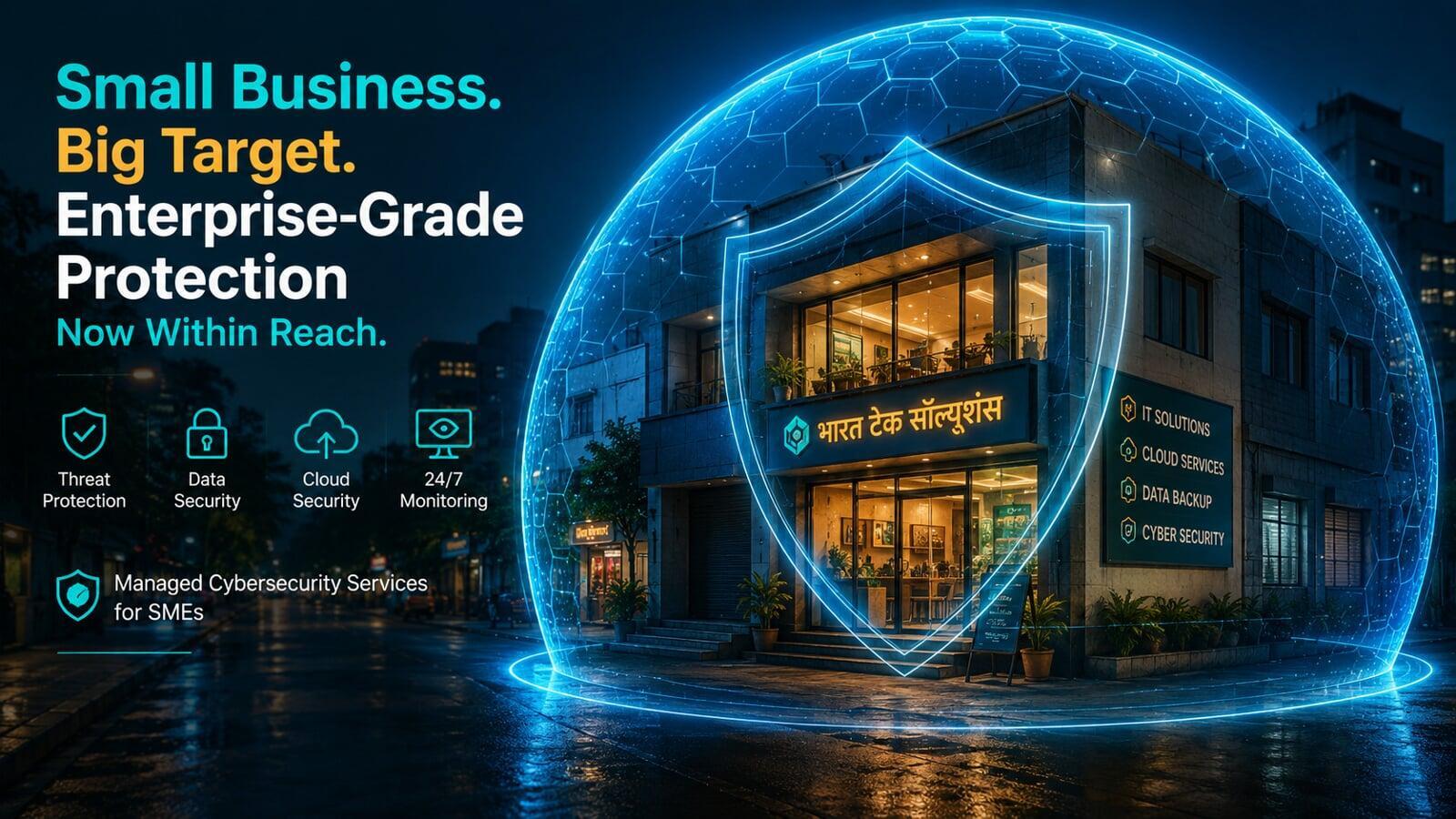
There is a persistent, and dangerous, misconception that managed security services are only for large enterprises. The reality is precisely the opposite. Small and medium enterprises (SMEs) are disproportionately targeted by cybercriminals, precisely because attackers know that these organizations typically have limited security budgets, under-resourced IT teams, and minimal incident response capability.
In 2024, only 41% of Indian companies were at progressive or above stages of cybersecurity readiness. The vast majority, especially in the SME tier, were operating with significant gaps. Ransomware groups are well aware of this. Tier-II and Tier-III city businesses, retail operators, and mid-sized logistics companies have all become attractive targets.
What Makes MSS Particularly Valuable for SMEs
- No capital expenditure: SMEs gain access to enterprise-grade tools and expertise through an operating expense model
- Scalability: Coverage can scale as the business grows, without replacing technology or staff
- Immediate operational capability: Rather than a 12–18 month build timeline for an in-house SOC, MSS coverage can be activated within weeks
- Expert guidance: SMEs gain access to security professionals who would simply be unaffordable to hire directly
Industry-Specific Applications: Where Managed Security Services Make the Biggest Impact
Make the Biggest Impact
While managed security services deliver value across every sector, certain industries face particularly acute risks that make the case for MSS especially compelling:
BFSI (Banking, Financial Services, and Insurance)
Indian BFSI entities face DDoS attacks, credential stuffing, API exploitation, and increasingly sophisticated deepfake-powered fraud. Regulatory requirements from RBI and SEBI add compliance complexity. MSSPs in this space provide continuous transaction monitoring, fraud detection integrations, and compliance documentation that keeps organizations aligned with evolving guidelines.
Healthcare
The 2023 ICMR breach exposed the records of 815 million Indians, the largest data breach in the country's history. Healthcare organizations hold some of the most sensitive personal data and are increasingly targeted by ransomware groups that understand the pressure to pay for operational continuity. Managed security for healthcare includes EMR protection, medical device security, and strict access controls.
Manufacturing and Logistics
As detailed in Section 4, the integration of warehouse automation software with corporate IT creates a hybrid OT/IT environment that requires specialized security expertise. Managed security providers with OT experience can implement network segmentation, monitor SCADA systems, and manage vendor access risk, critical for uninterrupted operations.
IT and Technology Companies
India's IT sector accounts for a significant share of global software exports. Protecting client data, source code repositories, and project management systems against espionage, IP theft, and ransomware is a board-level concern. MSSPs provide the continuous vigilance and rapid incident response that IT companies need to protect both their operations and their clients' trust.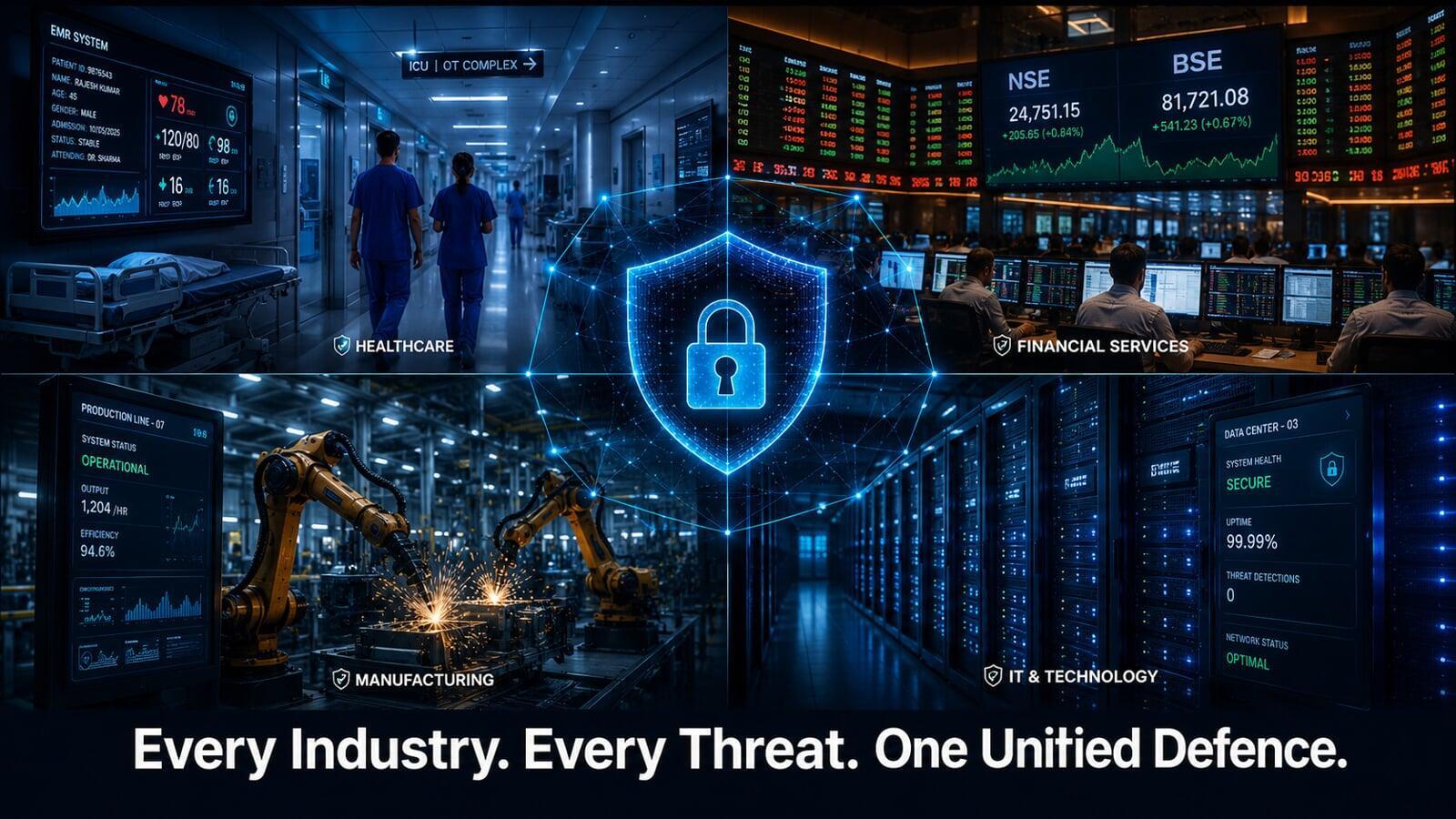
Emerging Trends Shaping the Managed Security Services Landscape
The managed security services market is itself evolving rapidly. Understanding these trends helps organizations make informed decisions about where to invest and what to expect from their MSSP partnerships.
AI-Augmented Security Operations
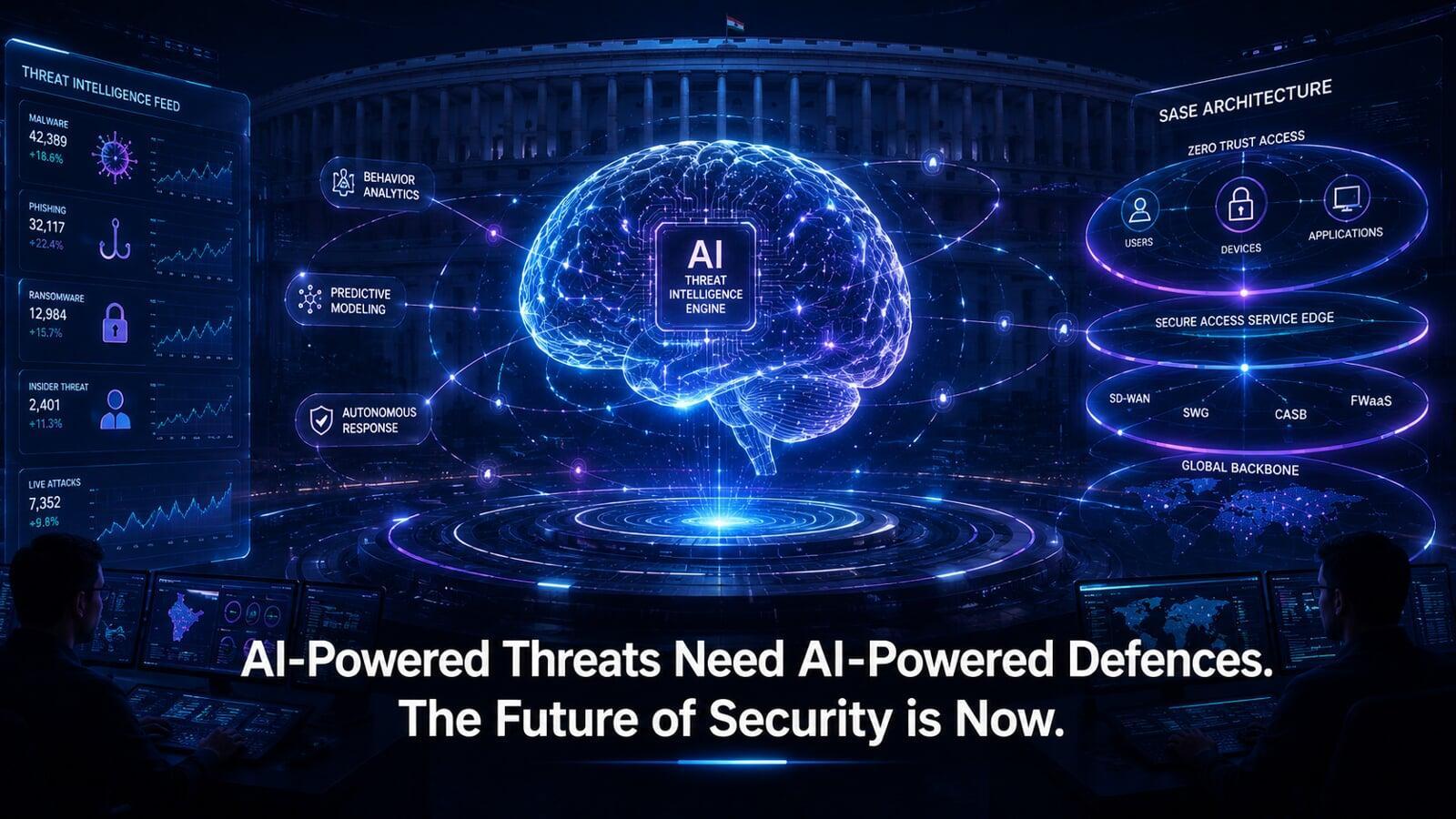
Leading MSSPs are integrating artificial intelligence into their SOC operations to process the sheer volume of security events that modern environments generate. AI-powered threat detection can correlate signals across millions of events per day, identifying anomalies that human analysts would miss. The key is human-AI collaboration; AI handles volume, while humans handle judgment.
Managed Detection and Response (MDR)
MDR represents an evolution of traditional MSSP services, combining continuous monitoring with active threat hunting and rapid containment. Unlike passive monitoring, MDR providers take direct action to neutralize threats within the client environment, often before the client is even aware of an incident.
Secure Access Service Edge (SASE)
As organizations adopt hybrid work and multi-cloud architectures, the traditional network perimeter has dissolved. SASE merges network security functions (firewall, CASB, ZTNA) with wide-area networking capabilities, delivered from the cloud. MSSPs offering SASE managed services enable organizations to secure access from anywhere, office, home, or warehouse floor.
OT and IoT Security
With the proliferation of connected devices in warehouses, factories, hospitals, and utilities, operational technology (OT) and IoT security has become a specialized domain within MSS. Expect to see growing demand for MSSPs that can secure both the digital and physical layers of modern operations.The Indian Government's Cybersecurity Framework: What Businesses Must Know
- CERT-In (Computer Emergency Response Team): The nodal agency for cybersecurity incident response. Mandates breach notification within specified timelines and issues threat advisories.
- NCIIPC (National Critical Information Infrastructure Protection Centre): Responsible for protecting critical information infrastructure across energy, finance, telecom, and government sectors.
- I4C (Indian Cybercrime Coordination Centre): Under the Ministry of Home Affairs, coordinates cybercrime response across states and union territories.
- DPDPA (Digital Personal Data Protection Act, 2023): Governs the processing of personal data of Indian residents, with significant implications for how businesses collect, store, and protect data.
- National Cyber Security Strategy: Conceptualized by DSCI, addressing 21 key areas including supply chain security and SME cybersecurity.
In 2024, India secured Tier 1 status in the ITU Global Cybersecurity Index, a recognition of progress in legal, technical, and capacity development measures. However, the same assessment noted organizational measures as an area requiring further development, reinforcing the importance of robust, professionally managed security practices at the enterprise level.
Conclusion
We are living through a period of profound digital transformation and equally profound digital risk. For Indian businesses, the question of whether to invest in managed security services is no longer a debate between competing priorities. It is a recognition of operational reality.
From the BFSI sector navigating AI-powered fraud to manufacturing companies securing their warehouse automation software against ransomware, from healthcare institutions protecting patient records to SMEs trying to compete in a digital economy, every organization faces threats that exceed what internal teams can address alone.
The India Managed Security Services Market, valued at USD 15.32 billion in 2025 and growing at nearly 12.5% annually, reflects this recognition. Businesses that engage qualified MSSPs today are not simply buying protection, they are investing in the confidence to grow, transform, and compete.
A layered approach combining enterprise cyber security solutions, cybersecurity awareness training, and professionally delivered managed security services creates the kind of resilience that modern Indian businesses need. Delphi Infotech brings precisely this integrated capability to its clients, across technology, training, and managed services.
The cost of a breach far exceeds the cost of prevention. In today's environment, managed security is not an expense; it is the foundation of sustainable business.
Key Takeaways
Frequently Asked Questions (FAQs)
Q1: What are managed security services, and how are they different from traditional IT security?
A: Managed security services (MSS) involve outsourcing your organisation's cybersecurity operations to a specialised provider, a Managed Security Service Provider (MSSP). Unlike traditional IT security, which typically involves deploying and managing point products internally (firewalls, antivirus), managed security services provide continuous 24/7 monitoring, active threat detection, incident response, vulnerability management, and compliance support. The key difference is that an MSSP brings dedicated expertise, enterprise-grade tools, and round-the-clock vigilance that most organizations cannot replicate in-house, particularly in India's current environment of skill shortages and rapidly evolving threats.
Q2: How much do managed security services typically cost for an Indian SME?
A: Pricing for managed security services in India varies based on organizational size, complexity, number of endpoints, and the scope of coverage required. For a mid-sized Indian SME with 100–500 employees, managed security services typically range from ₹5–25 lakhs per year, significantly less than the cost of hiring even a small in-house security team, which would require a minimum of 3–5 specialized professionals at current salary levels. When bench-marked against the ₹22 crore average cost of a data breach in India (2025), the ROI case is compelling.
Q3: Is cybersecurity important for warehouse automation software deployments?
A: Absolutely. Warehouse automation software creates interconnected environments where WMS platforms, IoT sensors, robotic control systems, and third-party logistics portals share network infrastructure. This significantly expands the attack surface compared to traditional stand-alone IT environments. A cyberattack targeting warehouse automation systems can halt operations, disrupt fulfillment, and in sensitive sectors like pharmaceutical logistics, create compliance and safety risks. Managed security services for these environments include OT/IT network segmentation, real-time anomaly detection, vendor access controls, and business continuity planning specific to operational technology.
Q4: What compliance regulations do Indian businesses need to address with managed security services?
A: Indian businesses face several significant cybersecurity and data protection compliance requirements, including: (1) Digital Personal Data Protection Act (DPDPA), breach notification, consent frameworks, and data governance obligations; (2) CERT-In Directions, mandatory incident reporting within prescribed timelines; (3) RBI Cybersecurity Framework, for banking and financial institutions; (4) SEBI Cybersecurity and Cyber Resilience Framework , for capital market entities; (5) IRDAI guidelines, for insurance companies. A qualified MSSP helps organizations navigate all of these through automated compliance reporting, audit trail maintenance, and regular security assessments.
Q5: How does cybersecurity awareness training complement managed security services?
A: Managed security services and cybersecurity awareness training operate on complementary levels. MSS protects the technical environment, monitoring networks, detecting intrusions, and responding to incidents. Awareness training addresses the human layer, which remains the primary attack vector. Phishing accounts for 22% of Indian data breaches; credential compromise accounts for another 16%. No amount of technical security can fully compensate for employees who click on malicious links or share credentials. Effective training programs, including simulated phishing campaigns, role-based modules, and continuous micro-learning, typically reduce employee susceptibility by 70–80% over 12 months.
Q6: What should I look for when choosing a managed security service provider in India?
A: Key factors to evaluate include: 24/7 SOC capabilities with experienced analysts (not just a monitoring dashboard); proven expertise in your industry sector; a comprehensive and transparent technology stack; clearly defined incident response SLAs with guaranteed response times; support for your specific compliance requirements (DPDPA, RBI, SEBI); ability to integrate with your existing infrastructure including cloud, ERP, and operational technology; verifiable client references; and a commitment to regular, transparent reporting. Avoid providers who cannot clearly explain their detection methodologies or decline to share MTTD/MTTR metrics.
Q7: Is India's cyberspace truly at such high risk, or is this concern overstated?
A: The risk is well-documented and independently verified. According to Check Point Software Technologies' 2025 report, Indian organizations faced 2,011 cyberattacks per week, significantly above the global average. CERT-In recorded over 2.2 million cybersecurity incidents between 2021 and mid-2025. The Carnegie Endowment for International Peace has noted that India's cyberspace is the second most targeted globally. Major breaches at BSNL, Hathway, Angel One, ICMR, and boAt in recent years, affecting hundreds of millions of Indians, substantiate the risk. India's rapid digital transformation has created significant value for cybercriminals, and the maturity of defences across most sectors has not kept pace.
Q8: How long does it take to implement managed security services for a mid-sized business?
A: Implementation timelines vary, but a well-structured managed security services engagement typically follows a phased approach: discovery and asset inventory (1–2 weeks), technology deployment and SIEM integration (2–4 weeks), initial tuning and base lining (2–4 weeks), and full operational coverage (by weeks 6–8). This is dramatically faster than building an in-house SOC, which typically requires 12–18 months including hiring, procurement, and tool configuration. An experienced MSSP can deliver meaningful coverage, threat monitoring, endpoint protection, and incident response readiness, within 4–6 weeks of contract signature.
Don't let your business become the next headline. Partner with Delphi Infotech for 24/7 managed cybersecurity protection. Book Your Free Security Assessment Today