
Learn how data security management, dark web monitoring, and cyber security awareness work together to protect your business from costly breaches.
If your organization hasn't experienced a data breach yet, that's not necessarily a sign that you're safe; it might just mean your luck hasn't run out. According to IBM's 2025 Cost of a Data Breach Report, the global average cost of a data breach stands at $4.44 million, and in the United States, that number climbs to an all-time high of $10.22 million. Those aren't abstract figures buried in a compliance document somewhere; they represent real operational disruption, regulatory fines, lost customer trust, and in some cases, businesses that never fully recover.
This is exactly why data security management has moved from being an IT afterthought to a boardroom priority. It's no longer just about installing antivirus software and calling it a day. Modern data security management involves a coordinated set of policies, technologies, and human behaviors working together to protect sensitive information at every stage of its lifecycle.
What Is Data Security Management, Really?
At its core, data security management refers to the ongoing process of protecting an organization's digital information from unauthorized access, corruption, theft, or loss throughout its entire lifecycle, from the moment data is created or collected, through storage and use, all the way to eventual archiving or deletion. It's a broader concept than "cybersecurity" in the narrow sense because it also includes governance, compliance, employee behavior, and business continuity planning.
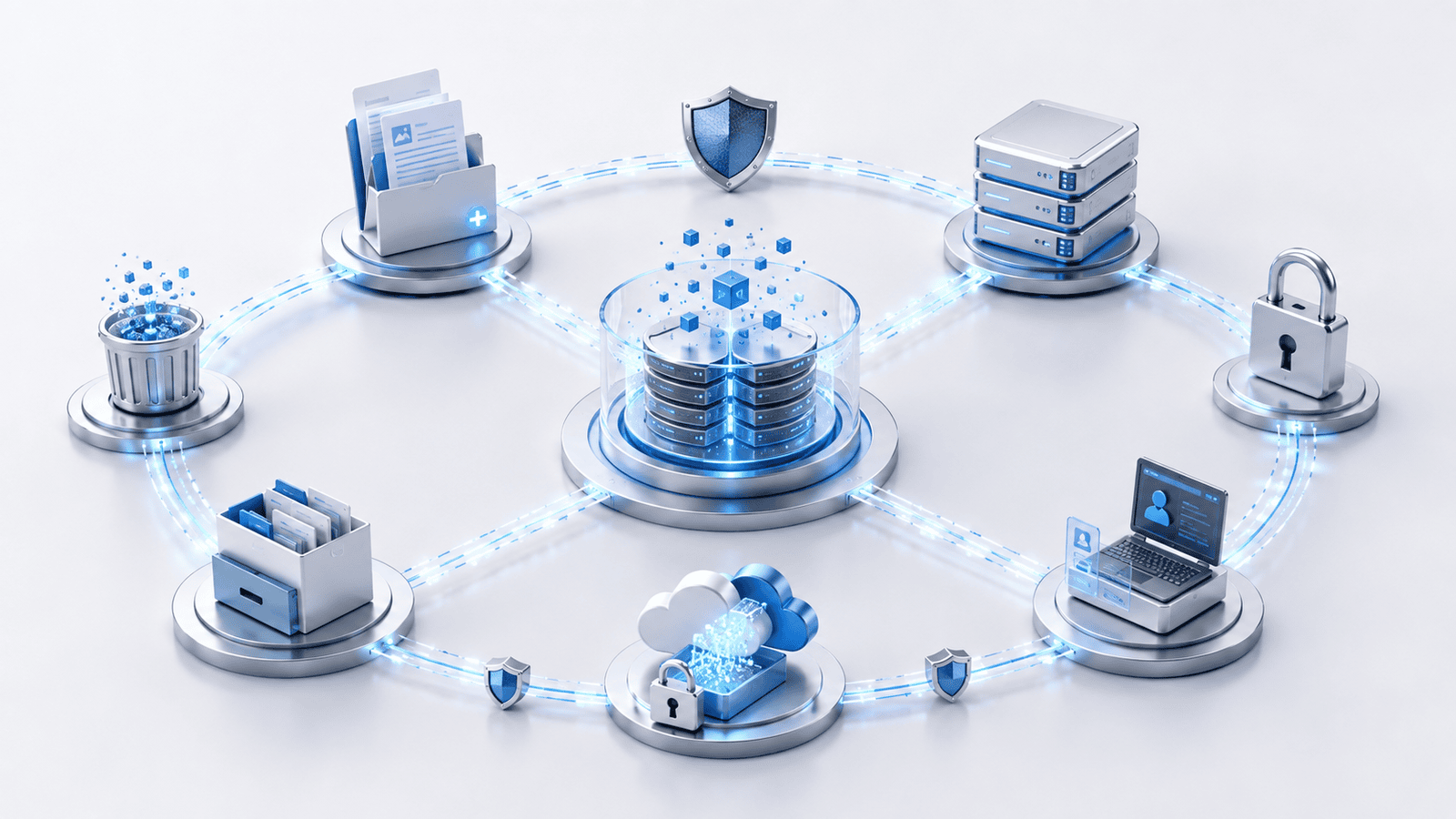
A well-run data security management program typically covers several interconnected areas. There's the technical side, which includes things like encryption, firewalls, access controls, and endpoint protection. There's the organizational side, which involves defining who has access to what data and under what circumstances, along with clear policies for how sensitive information should be handled. And then there's the human side, which is often the weakest link, employees clicking on phishing emails, reusing weak passwords, or mishandling sensitive files without realizing the risk.
The Real Cost of Getting Data Security Wrong
Numbers tend to make abstract risks feel a lot more concrete, so it's worth spending a moment on what's actually at stake. Beyond the headline figures already mentioned, IBM's 2025 research found that breaches involving multiple environments, meaning data spread across cloud, on-premises, and hybrid systems, cost organizations an average of $5.05 million, compared to $4.01 million for breaches contained entirely on-premises. The healthcare sector has held the unfortunate title of the most expensive industry for data breaches for fifteen consecutive years, with average costs reaching $7.42 million per incident, largely because of the sensitivity of patient data and the long detection times involved.
There's also a newer, less obvious threat contributing to rising costs: shadow AI, referring to employees using unauthorized generative AI tools without proper oversight. The same IBM research found that breaches involving shadow AI added an average of $670,000 to the total cost, and a striking 97% of AI-related breaches occurred in organizations that lacked proper access controls around those tools. This matters because it shows how quickly the threat landscape shifts; a risk that barely existed a few years ago is now a measurable cost driver.

The Core Pillars of a Strong Data Security Management Strategy
Risk Assessment and Business Continuity Planning
Before you can protect anything, you need to know what you're protecting and what happens if it's compromised. This means identifying which data is most sensitive, where it lives, who has access to it, and what the operational impact would be if it were exposed, altered, or made unavailable. This is where structured data security management and business continuity planning come in, since a proper risk mitigation strategy doesn't just focus on preventing incidents; it also prepares the organization to keep functioning if something does go wrong. Without a documented continuity plan, even a relatively minor security incident can spiral into extended downtime simply because nobody knew what steps to take next.
Before you can protect anything, you need to know what you're protecting and what happens if it's compromised. This means identifying which data is most sensitive, where it lives, who has access to it, and what the operational impact would be if it were exposed, altered, or made unavailable. This is where structured data security management and business continuity planning come in, since a proper risk mitigation strategy doesn't just focus on preventing incidents; it also prepares the organization to keep functioning if something does go wrong. Without a documented continuity plan, even a relatively minor security incident can spiral into extended downtime simply because nobody knew what steps to take next.
Access Control and the Principle of Least Privilege
One of the simplest but most overlooked strategies is limiting who can access sensitive data in the first place. The principle of least privilege means employees and systems should only have the minimum level of access necessary to do their jobs, nothing more. This limits the potential damage if a single account is compromised since an attacker with access to one low-level account shouldn't automatically be able to reach an organization's most sensitive databases. Role-based access controls, combined with periodic access reviews, help ensure that permissions don't quietly accumulate over time as employees change roles or leave the company.
One of the simplest but most overlooked strategies is limiting who can access sensitive data in the first place. The principle of least privilege means employees and systems should only have the minimum level of access necessary to do their jobs, nothing more. This limits the potential damage if a single account is compromised since an attacker with access to one low-level account shouldn't automatically be able to reach an organization's most sensitive databases. Role-based access controls, combined with periodic access reviews, help ensure that permissions don't quietly accumulate over time as employees change roles or leave the company.
Encryption at Rest and in Transit
Encryption remains one of the most cost-effective mitigators in a security strategy. IBM's research identified encryption as one of the top factors that measurably reduces breach costs, alongside DevSecOps practices and strong security analytics. Encrypting data both while it's stored and while it's being transmitted between systems means that even if an attacker manages to intercept or access the data, it remains unreadable without the corresponding decryption keys.
Encryption remains one of the most cost-effective mitigators in a security strategy. IBM's research identified encryption as one of the top factors that measurably reduces breach costs, alongside DevSecOps practices and strong security analytics. Encrypting data both while it's stored and while it's being transmitted between systems means that even if an attacker manages to intercept or access the data, it remains unreadable without the corresponding decryption keys.
Continuous Monitoring and Threat Detection
Static defenses aren't enough anymore. Continuous monitoring tools, including Security Information and Event Management (SIEM) systems, help security teams spot unusual patterns in real time rather than discovering a breach weeks or months after it happened. This is closely tied to why dark web monitoring has become such an important complementary layer, which we'll get into in more detail shortly.
Static defenses aren't enough anymore. Continuous monitoring tools, including Security Information and Event Management (SIEM) systems, help security teams spot unusual patterns in real time rather than discovering a breach weeks or months after it happened. This is closely tied to why dark web monitoring has become such an important complementary layer, which we'll get into in more detail shortly.
Incident Response Planning
Even with strong preventive measures in place, incidents can still happen, and how an organization responds in the first few hours often determines whether the situation stays contained or turns into a much larger crisis. A solid incident response plan outlines clear roles, communication protocols, and technical steps to take immediately after a breach is detected, removing guesswork at exactly the moment when speed matters most.
Why Dark Web Monitoring Services Deserve a Spot in Your Strategy
Here's a scenario that plays out more often than most people realize: an organization's data is stolen, quietly listed for sale on a dark web forum, and the company itself has no idea until months later, usually after the stolen credentials have already been used in follow-up attacks or fraud. This is precisely the gap that dark web monitoring services are designed to close.
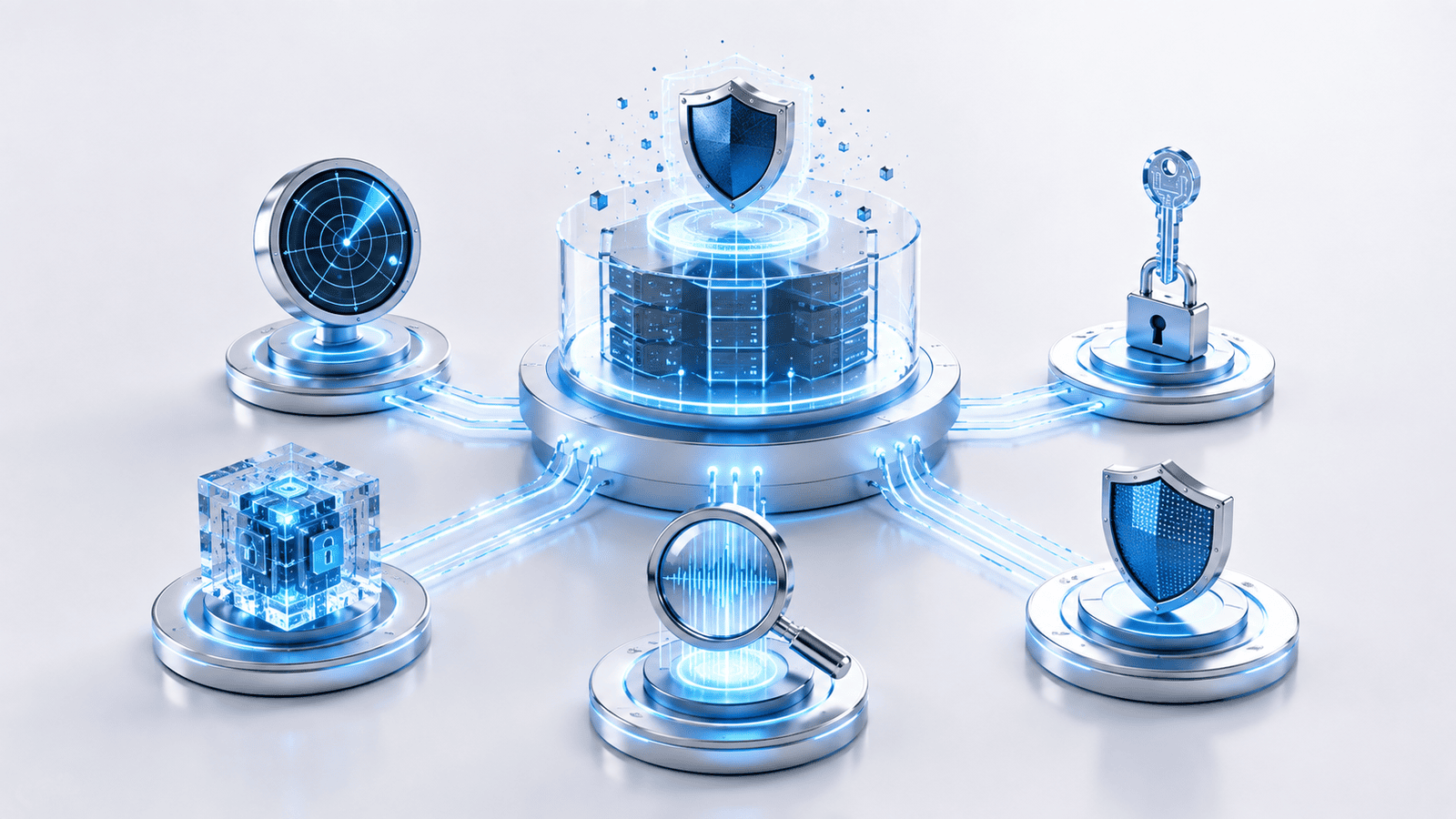
Dark web monitoring works by continuously scanning hidden forums, marketplaces, and paste sites where stolen credentials, financial information, and corporate data are frequently traded. When an organization's information shows up in one of these places, the monitoring service flags it, giving the business a chance to act, whether that means forcing password resets, alerting affected customers, or tightening access controls before the exposed data is put to malicious use.
The value here isn't just theoretical. Given that IBM's research shows the average breach isn't contained for over 200 days without strong detection capabilities in place, and that breaches taking longer than 200 days to contain cost organizations over a million dollars more than faster ones, any tool that shortens that detection window has a direct, measurable impact on the bottom line. Dark web monitoring essentially extends an organization's visibility beyond its own network perimeter, into the exact spaces where stolen data actually ends up.
Building a Culture of Cyber Security Awareness
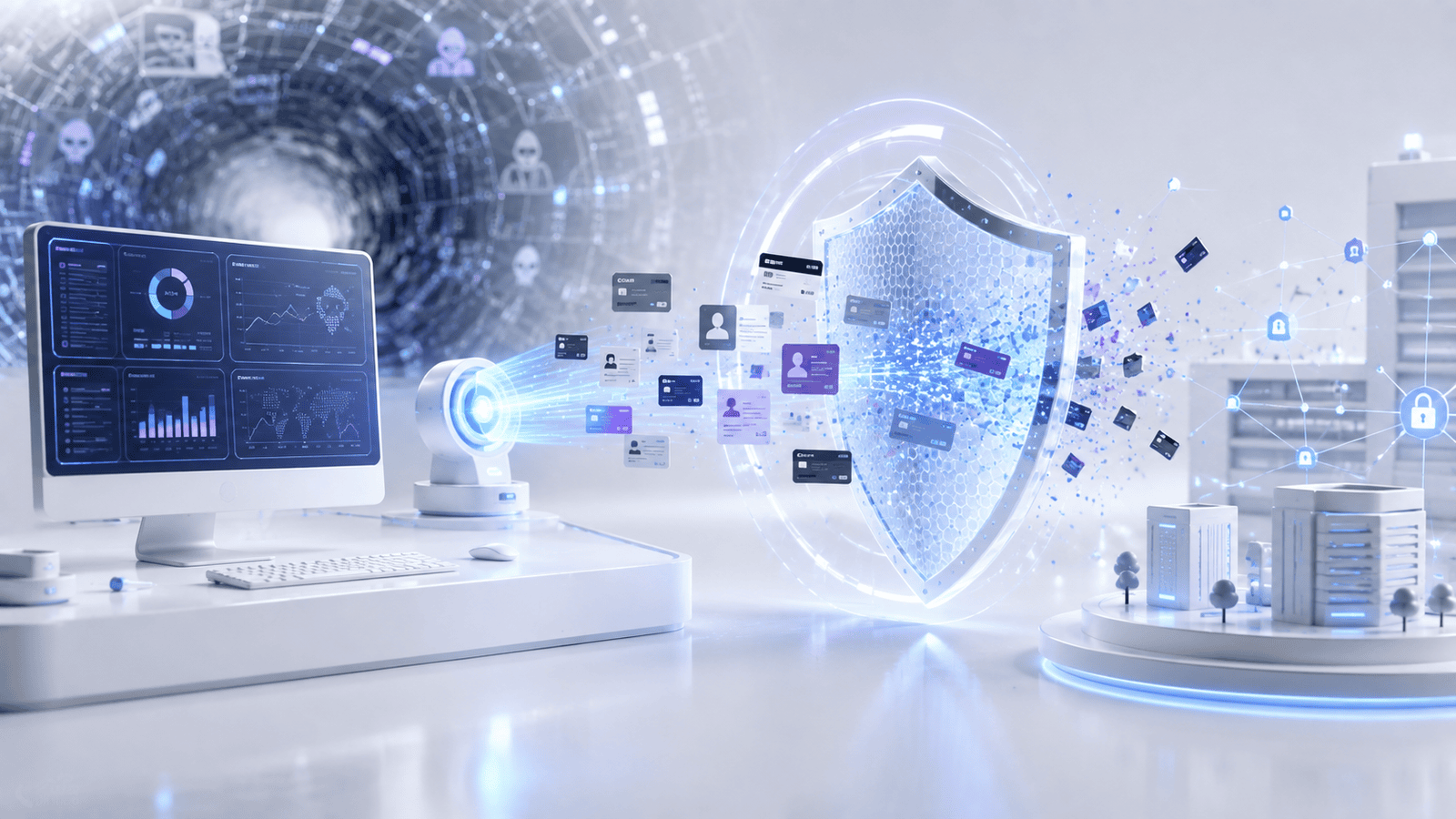
Technology alone can't fully protect an organization if the people using it aren't equipped to recognize risk. Phishing remained the most common attack vector in IBM's 2025 findings, involved in 16% of breaches, and attackers increasingly use AI-generated phishing emails and deepfake audio or video to make their attempts more convincing than ever. This is exactly why cyber security awareness training has become a non-negotiable part of any serious data protection strategy, rather than a once-a-year checkbox exercise.
Effective awareness programs go beyond a single onboarding presentation. Regular phishing simulations help employees practice recognizing suspicious emails in a low-stakes environment, while ongoing communication about emerging threats keeps security top of mind rather than something people only think about once a year. Organizations that treat awareness training as an evolving program, rather than a static requirement, tend to see meaningfully fewer incidents caused by human error, which remains one of the leading contributors to successful breaches across nearly every industry.
A Real-World Example: How Delayed Detection Turns Costly
Consider a mid-sized financial services firm that experienced unauthorized access to its customer database. The intrusion itself happened over a weekend, but because the company lacked continuous monitoring and had no dark web surveillance in place, the breach wasn't discovered until nearly five months later, when a security researcher noticed customer records being sold on a dark web marketplace and alerted the company.
By that point, the damage had
already compounded. Customers whose data was exposed had, in some cases, already fallen victim to follow-up phishing attempts using the stolen information, and the company faced not just the direct costs of the breach itself but regulatory scrutiny for the delayed disclosure. Had a dark web monitoring service been in place, the stolen data would likely have been flagged within days of appearing for sale, giving the company a far earlier opportunity to respond, notify affected customers, and limit the fallout.
Pros and Cons of Different Approaches to Data Security Management
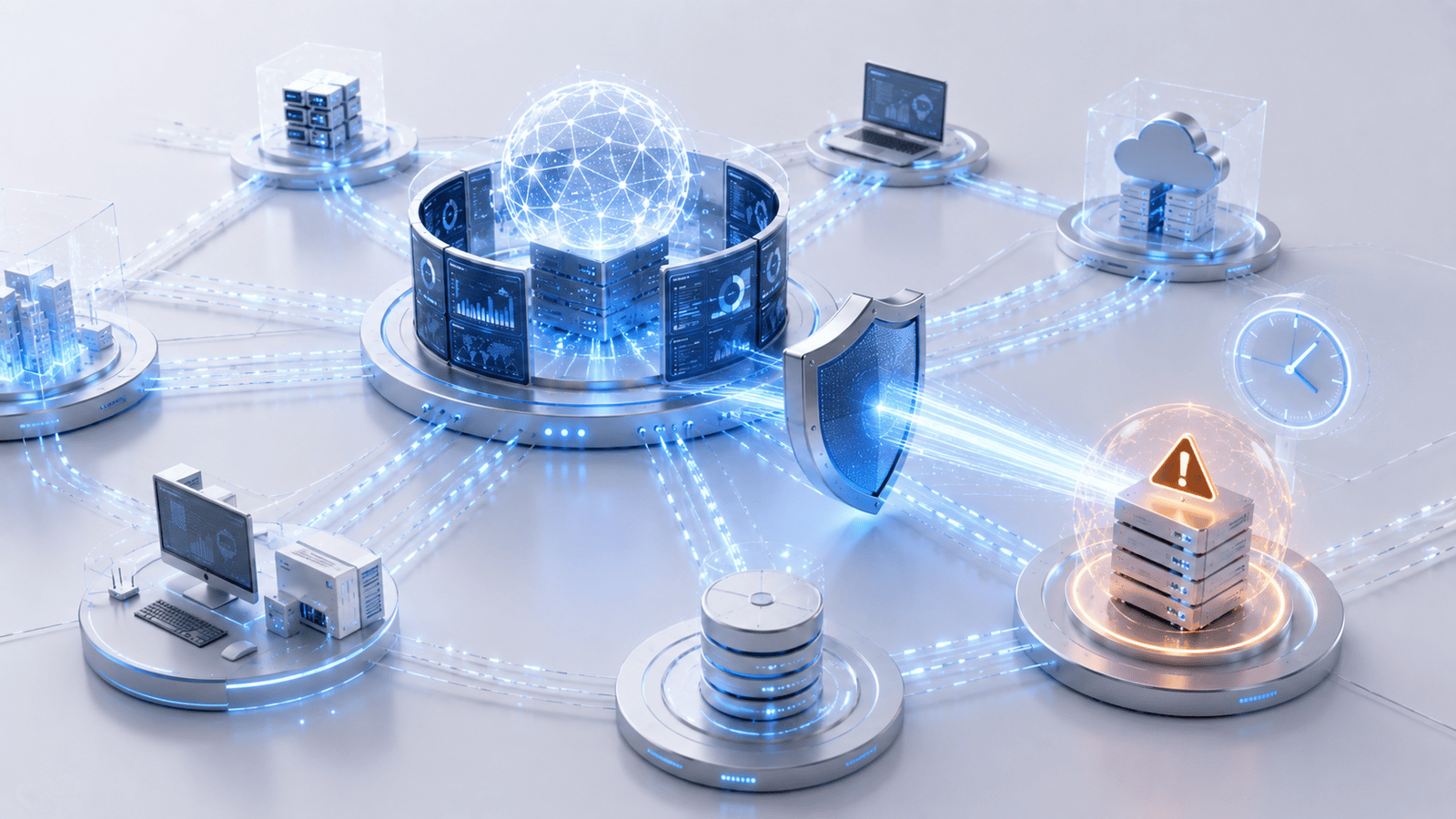
Organizations generally choose between building an in-house security team, outsourcing to a managed security service provider, or adopting a hybrid model, and each comes with trade-offs worth understanding. Building an in-house team offers tighter control and deeper institutional knowledge of the organization's specific systems, but it also requires significant investment in skilled personnel, ongoing training, and round-the-clock monitoring capacity that smaller organizations often struggle to sustain. Outsourcing to specialized providers, including those offering dark web monitoring and managed detection services, tends to be more cost-effective for small and mid-sized businesses, and it gives access to expertise and threat intelligence that would be expensive to replicate internally, though it does mean trusting a third party with sensitive visibility into your systems. A hybrid approach, where core policy and governance stay in-house while specialized monitoring and threat intelligence are outsourced, has become increasingly popular because it balances control with practical resource constraints, though it does require clear coordination to avoid gaps in responsibility between internal and external teams.
Frequently Asked Questions (FAQs)
Q1. What's the difference between data security and data privacy?
Data security focuses on protecting information from unauthorized access, theft, or corruption through technical and procedural controls. Data privacy is more about how organizations collect, use, and share personal information in line with regulations and user expectations. The two overlap significantly but aren't identical.
Q2. How often should a company update its data security management strategy?
Most security experts recommend reviewing and updating your strategy at least annually, but any major change, such as adopting new cloud infrastructure, expanding to new markets, or experiencing a security incident, should trigger an immediate reassessment rather than waiting for the next scheduled review.
Q3. Is dark web monitoring necessary for large enterprises?
No. Smaller businesses are often more attractive targets precisely because they tend to have weaker defenses, and stolen data from small businesses is traded on the dark web just as frequently as data from large corporations. Dark web monitoring is scalable and can be valuable for organizations of nearly any size.
Q4. What's the single most effective way to reduce data breach costs?
According to IBM's 2025 research, faster detection and containment consistently correlate with lower overall breach costs, with organizations that identify and contain breaches quickly saving over a million dollars compared to those with longer detection windows. Tools like continuous monitoring and dark web surveillance directly support this.
Q5. Can employee training really make a measurable difference?
Yes. Since phishing and human error remain among the most common ways attackers gain initial access, consistent, practical awareness training reduces the likelihood of successful social engineering attempts and helps employees report suspicious activity sooner, which shortens detection time.
Q6. Should small businesses worry about AI-related security risks?
Increasingly, yes. As generative AI tools become more common in everyday workflows, even small businesses face risks from employees using unauthorized AI tools without oversight, a trend that has already become a measurable contributor to breach costs across organizations of all sizes.Key Takeaways
- Data security management is an ongoing, multi-layered process covering technology, governance, and human behavior, not a one-time technical fix.
- The financial stakes are significant, with global average breach costs at $4.44 million and U.S. costs reaching an all-time high of $10.22 million in 2025.
- Faster detection and containment consistently reduce breach costs, which is exactly why dark web monitoring services have become such a valuable early-warning layer.
- Human error and phishing remain leading causes of breaches, making genuine, ongoing cyber security awarenesstraining essential rather than optional.
- Choosing between in-house, outsourced, or hybrid security models depends on organizational size, resources, and risk tolerance, with hybrid approaches becoming increasingly common.
Ready to strengthen your organization's defenses? Get in touch with delphiinfo.com today to explore risk mitigation, dark web monitoring, and cyber security awareness solutions built for real-world protection.