Discover how a cloud archiving solution keeps data secure, compliant, and instantly retrievable. Learn benefits, features, and best practices for 2026.
Introduction: Why Every Business Needs a Cloud Archiving Solution Today
Data is growing faster than most organizations can manage it. Emails, financial records, contracts, customer files, and compliance documents pile up every single day, and storing all of it on local servers is no longer practical or safe. That is where a cloud archiving solution comes in. It gives businesses a secure, scalable, and searchable way to store historical data while keeping it instantly retrievable whenever it is needed, whether for an audit, a legal case, or simple day-to-day operations.
What Is a Cloud Archiving Solution?
A cloud archiving solution is a service that securely stores inactive or historical data, files, emails, documents, and records, in the cloud rather than on local hard drives or on-premises servers. Unlike everyday cloud storage, archiving is built for long-term retention, compliance, and fast retrieval, often with advanced indexing and search capabilities that make it possible to find a single record among millions in seconds.
Providers such as delphiinfo.com design their platforms specifically around this need, combining encrypted storage with fast, indexed retrieval so businesses never have to choose between security and accessibility.
Key Characteristics of a Modern Cloud Archiving Solution
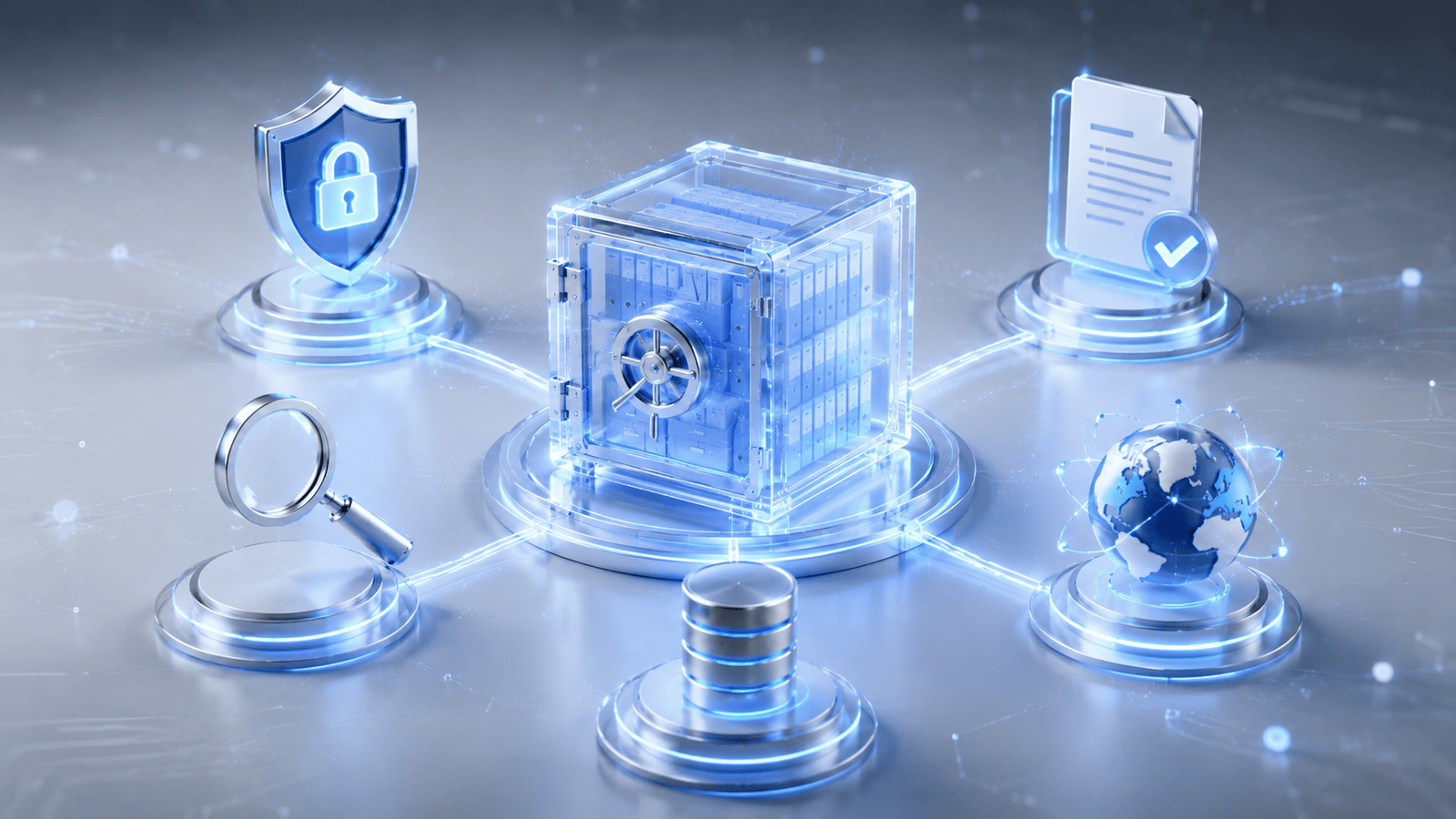
Modern platforms share a few defining traits. They rely on immutable storage that prevents tampering or unauthorized deletion, and they protect data with end-to-end encryption both in transit and at rest. They also offer granular search and eDiscovery tools for legal and compliance teams, along with automated retention policies aligned with industry regulations. On top of that, they provide scalable infrastructure that grows with your data volume, plus role-based access controls and detailed audit logs to track exactly who accessed what and when.
Why Secure Data Retrieval Matters More Than Ever
Regulatory scrutiny has intensified across nearly every industry. Financial services firms must comply with SEC and FINRA record-keeping rules, healthcare organizations must meet HIPAA requirements, and companies operating in Europe must satisfy GDPR obligations. In each case, the ability to retrieve accurate, unaltered records quickly is not optional; it is a legal requirement.
According to global cybersecurity research, the average cost of a data breach has continued to climb year over year, with delayed detection and slow data recovery cited as major cost multipliers. This is a strong reminder that archiving is not just about storage; it is a core part of an organization's risk management and cybersecurity solutions strategy.
Cloud Archiving vs. Cloud Backup: Understanding the Difference
One of the most common points of confusion is the difference between backup and archiving. They serve different purposes, and understanding this distinction is critical before choosing a solution.
A backup is a short-term copy of active data, used for disaster recovery if something is lost or corrupted, and it is typically overwritten on a rolling schedule. An archive, on the other hand, is a long-term, often permanent, repository of inactive data kept for compliance, historical reference, or legal reasons, and unlike a raw backup copy, archived data is indexed and searchable.
Core Benefits of Cloud Archiving Solutions
1. Enhanced Data Security
2. Regulatory Compliance
3. Faster eDiscovery and Legal Response
4. Reduced IT Infrastructure Costs
5. Business Continuity
Email Archiving Solutions: A Critical Piece of the Puzzle
Email remains the backbone of business communication and one of the most commonly requested forms of evidence in litigation, audits, and regulatory investigations. Without a dedicated archiving system, important emails can be lost when employees leave, mailboxes are cleaned up, or systems are migrated.
What to Look for in Email Archiving Tools
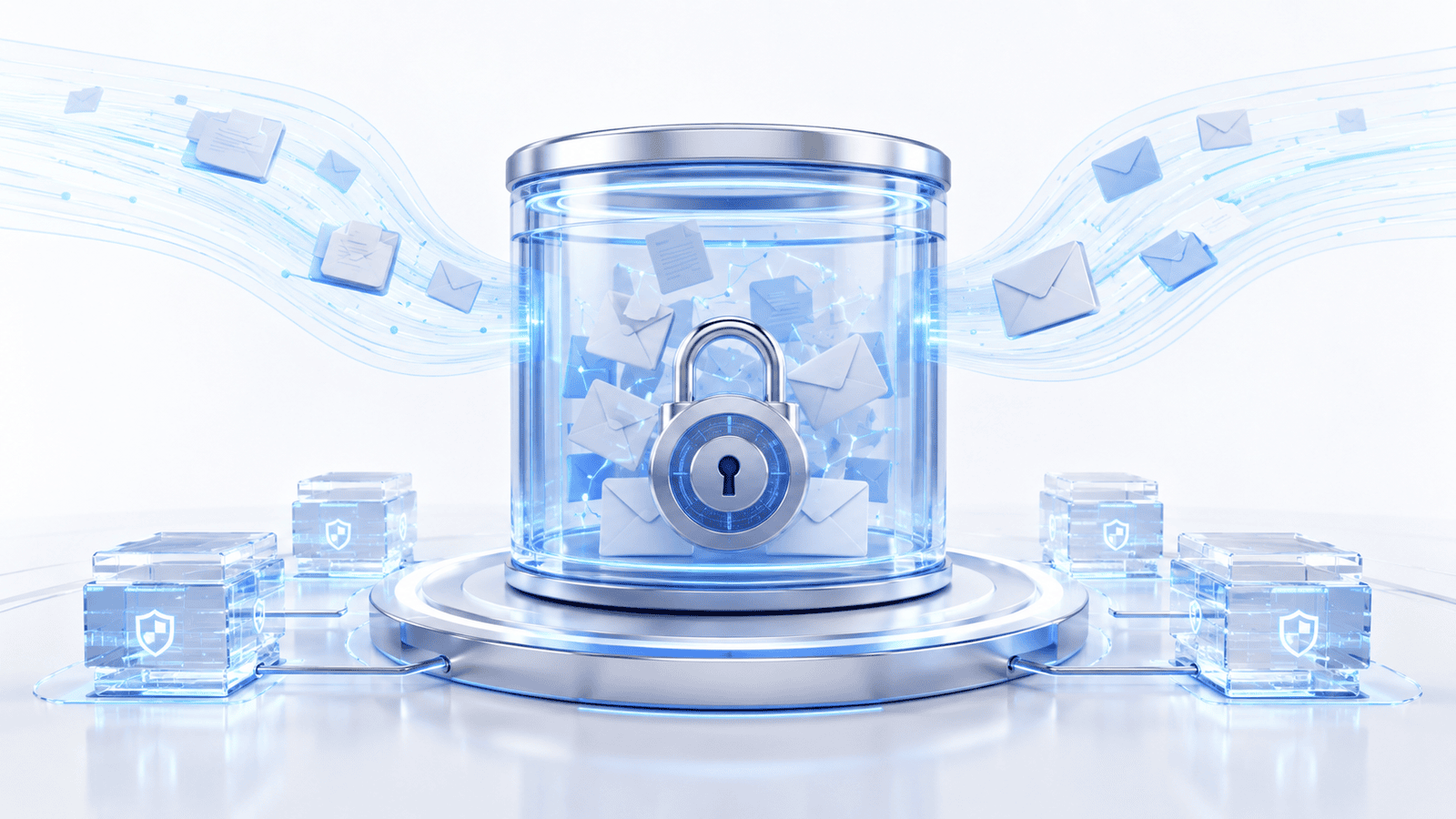
The strongest email archiving tools automatically capture all inbound and outbound email traffic in real time, including attachments, and integrate directly with journaling on platforms like Microsoft 365 and Google Workspace. They also include legal hold functionality that preserves records during litigation, full-text search across years of message history, and tamper-proof, immutable storage that satisfies compliance-grade retention requirements
Email Archiving Solutions: Protecting Your Most Litigated Communication Channel
Email remains the backbone of business communication, and it is also one of the most commonly requested forms of evidence in litigation, regulatory audits, and internal investigations. A single overlooked message can become the deciding factor in a compliance review or legal dispute, yet many organizations still rely on standard mailbox storage that was never designed for long-term preservation. Without a dedicated archiving system in place, important emails are routinely lost when employees leave the company, mailboxes are cleaned up to save space, or systems are migrated to new platforms. This is precisely where dedicated email archiving solutions prove their value. These platforms automatically capture every inbound and outbound message, including attachments, in real time, index the content for fast, granular search, and store it in tamper-proof, immutable repositories that satisfy strict compliance frameworks such as SEC Rule 17a-4, HIPAA, and GDPR. For businesses in regulated industries, this isn't just a convenience; it's a safeguard that ensures records remain complete, unaltered, and instantly accessible whenever they're needed most.
How Cloud Archiving Strengthens Overall Cybersecurity
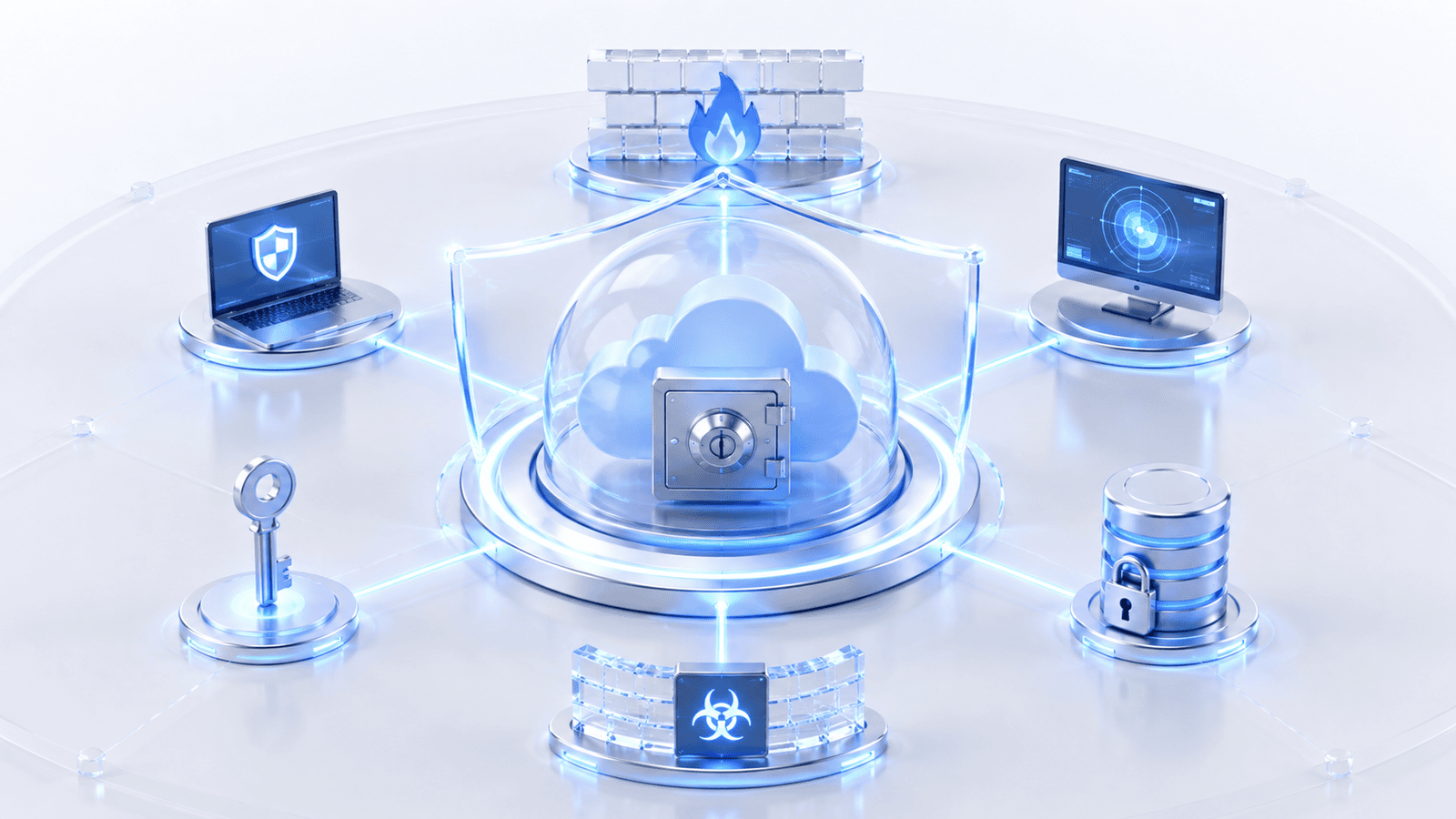
Archiving is often overlooked as a security function, but it plays a direct role in reducing an organization's attack surface. Centralizing historical data in a secure, monitored, encrypted repository, rather than scattering it across local drives, laptops, and outdated servers, significantly reduces the number of places a bad actor could exploit.
This is why archiving should be discussed as part of a company's broader cybersecurity solutionsstrategy, alongside firewalls, endpoint protection, and identity management. A well-implemented cloud archiving solution reduces ransomware risk (immutable records cannot be encrypted by attackers), supports faster incident response, and provides a clean audit trail during a breach investigation.
Real-World Example: How Archiving Prevented a Compliance Crisis
Consider a mid-sized regional bank that faced a regulatory audit requiring five years of transaction-related email correspondence. Because the bank had relied solely on standard mailbox storage rather than a dedicated archive, IT staff spent nearly three weeks manually searching backup tapes and individual mailboxes to compile the requested records, several of which had already been permanently deleted by departing employees.
How to Choose the Right Cloud Archiving Solution
Not all archiving platforms are built the same, so a few factors matter most when evaluating a provider. Start with security certifications, look for SOC 2, ISO 27001, or similar independent audits, and check data residency options, which are especially important for GDPR and other regional regulations. Retention flexibility matters too, since you want the ability to customize policies by department, data type, or regulation. Test search and retrieval speed to see how quickly the platform surfaces results across large datasets, confirm integration compatibility with your existing email, file storage, and collaboration tools, and finally, look for scalability and pricing transparency so costs scale predictably as your data volume grows.

Pros and Cons of Cloud Archiving Solutions
Pros
Cloud archiving reduces on-premises storage costs and IT overhead, improves regulatory compliance and audit readiness, and enables fast, reliable data retrieval during legal or business needs. It also strengthens overall cybersecurity posture through centralized, encrypted storage, and it supports remote and hybrid teams with anywhere, anytime access.Cons
On the other hand, it requires careful vendor vetting to ensure genuine security compliance, and migration from legacy systems can take time and planning. There are ongoing subscription costs to factor in, though they are typically lower than maintaining in-house infrastructure over time, and data residency or cross-border regulations may add complexity for global companies.Key Takeaways
A cloud archiving solution securely stores historical data, emails, files, and records, while keeping them fast to search and retrieve whenever it's needed.
Archiving is not the same as backup; it's built specifically for compliance, legal readiness, and long-term retention, not just disaster recovery.
Email archiving solutions are essential for preserving communication records and meeting regulations like HIPAA, GDPR, and SEC Rule 17a-4.
A strong cloud archiving strategy reinforces your broader cybersecurity solutions framework by centralizing data in encrypted, immutable, and monitored storage.
Choosing the right provider comes down to security certifications, retention flexibility, retrieval speed, and integration compatibility with existing tools.
Real-world results show archiving can turn weeks of manual data retrieval into same-day compliance readiness during audits or legal requests.
Frequently Asked Questions (FAQs)
1. What is the main purpose of a cloud archiving solution?
Its main purpose is to store inactive securely or historical data for long-term retention while keeping it easily searchable and retrievable for compliance, legal, or business needs.
2. Is cloud archiving the same as cloud backup?
No. Backup protects active data for disaster recovery and is often overwritten on a schedule. Archiving preserves historical data long-term, typically with indexing and retention policies for compliance purposes.
3. Are email archiving solutions necessary for small businesses?
Yes, often. Even small businesses can be subject to legal discovery requests, industry regulations, or internal disputes where historical email records are required. Email archiving solutions ensure that data is preserved and retrievable regardless of company size.
4. How does cloud archiving support cybersecurity?
By centralizing data in encrypted, immutable, and monitored storage, cloud archiving reduces the number of vulnerable access points, protects records from ransomware tampering, and supports faster incident response, all core elements of a strong cybersecurity solutions strategy.
5. How long should archived data be retained?
Retention periods vary by industry and regulation, often ranging from three to seven years, and sometimes longer. A good cloud archiving solution allows you to customize retention policies to match the specific rules that apply to your business.Ready to secure and simplify your data management? Explore delphiinfo.com today and take the next step toward safer, smarter archiving.