
What if a single government directive couldreshape the way enterprises defend themselves against cyberattacks? What if compliance with one mandate could determine whether your business stays secure, avoids penalties, and builds digital trust, or faces devastating breaches and regulatory consequences? That is exactly the impact ofCERT-In’s mandate on organizations across India.
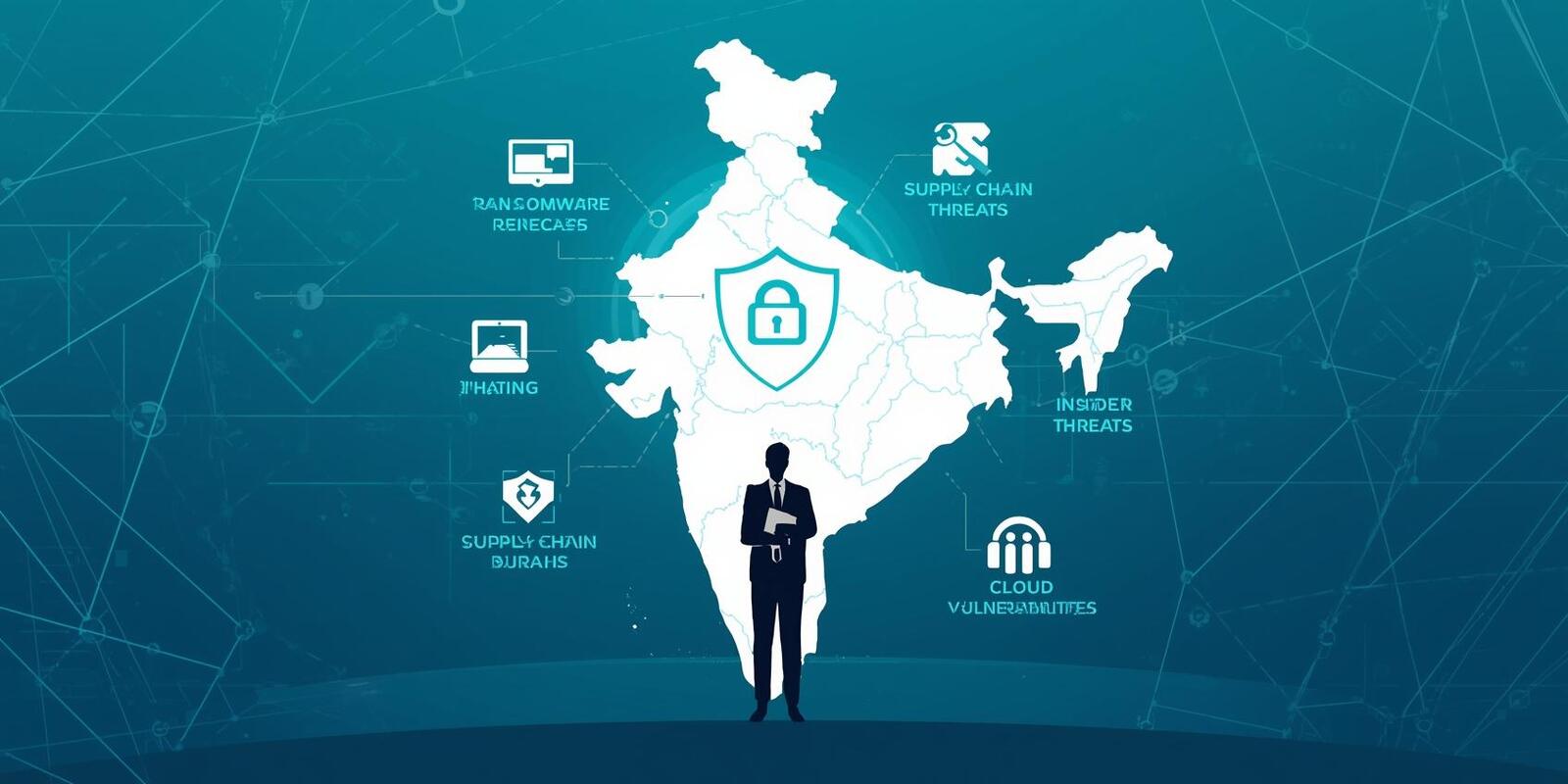
In this blog, we will explore how CERT-In’s directives are shaping the present and future of India’s cybersecurity, the major compliance challenges enterprises face, and the solutions that organizations can adopt to stay proactive, protected, and penalty-free.
Why CERT-In’s Mandate Matters
CERT-In, under the Ministry of Electronics and Information Technology (MeitY), plays the role of India’s cyber defense nerve center. Its updated cybersecurity directions and compliance requirements are meant to:
Improveincident reporting timelines.
Mandate log retention and sharing policies.
Demand greater transparency and cooperation in the reporting of cyber incidents.
Enhance coordination in defending against national and enterprise-level attacks.
The importance of the mandate is twofold: it enforces accountability for enterprises while simultaneously strengthening India’s collective cyber defense ecosystem.
Key Provisions of the CERT-In Mandate
1. Incident Reporting within 6 Hours
Organizations must now report all cybersecurity incidents within 6 hours of discovery. This rule is one of the most debated aspects of the directive because timely reporting is critical to stopping attack spread and mitigation.
For enterprises, this means building real-time monitoring systems and ensuring incident escalation readiness.
The solution: Deploying Security Operations Centers (SOC) with 24/7 threat monitoring.
2. Log Retention for 180 Days
Enterprises are required to store and maintain logs of ICT systems for 180 dayswithin Indian jurisdiction.
This pushes organizations to invest inlog management and storage infrastructure.
The solution: Implementing centralized log management andcloud-ready security informationand event management (SIEM) solutions.
3. Mandatory Data Sharing
Enterprises need toshare logs and incident details when demanded by CERT-In for investigation.
Non-compliance can triggerpenalties and reputational damage.
The solution: Establishingincident response playbooks to streamline data sharing without disrupting daily operations.
4. Synchronization with NTP Servers
All systems must remain synchronized withNational or designated private NTP servers. This ensures event timelinesare accurate during forensic investigations.
The solution: Using architecture-wide synchronization controls and automated compliance alignment tools
5. Coverage across Sectors
These mandates apply todata centers, cloud providers, government agencies, corporates, financial firms, and critical infrastructure operators.
Thesolution: Conducting sector-specific cybersecurity readiness assessments.
The Broader Impact on Indian Enterprises

Growing Compliance Burden
From daily operations to IT budgets, enterprises must allocate expertise and resources to compliance. Many smaller organizations find the investment steep.
Rising Cybersecurity Accountability
Boards of directors and CXOs now bear responsibility to show regulators, customers, and stakeholders that security is not optional but essential.
The Push for Cyber Resilience
Cybersecurity is no longer just about compliance. It is about creating a resilient ecosystem, where detection, response, and recovery are built into everyday enterprise operations.
Challenges Organizations Face
Skilled Resource Gap
There is a significant shortage of skilled cybersecurity talent to meet new demands.
Solution: Outsourcing to managed security services, while simultaneously upskilling internal teams.
Technology Fragmentation
Enterprises use fragmented legacy systems combined with modern tools, making unified compliance arduous.
Solution: Integrated security platforms that consolidate monitoring, threat detection, and compliance functions.
Cost Implication
Complying with 6-hour reporting and 180-day logging requires investment in infrastructure and tools.
Solution: Opting for scalable andcloud-ready solutions to control expenditure while staying secure.
Scalability for SMEs
For small and medium businesses, resource availability and compliance overheads pose bigger challenges than for large corporations.
Solution: Phased compliance adoption strategies with risk-prioritized implementation.

Strengthening India’s Digital Trust
The mandate creates collective trustamong enterprises, customers, and government bodies. By establishing accountability, India is building its stature as a secure digital economy.
Enabling Threat Intelligence Sharing
Faster incident reporting means improved intelligence flow. When a company reports an attack, others can be forewarned and fortified.
Driving Long-Term Resilience
Compliance today builds resilience for tomorrow. By embedding processes like log retention, synchronized monitoring, and proactive response, India is preparing not just for local threats, but also for transnational cyber risks.
Best Practices for Organizations
Build a CERT-In compliance roadmapmapped with internal controls.
Conduct regular vulnerability assessments that align with reporting needs.
Deploy endpoint detection and response solutions for rapid detection.
Train employees on incident identification and reporting protocols.
Usezero trust security models to reduce insider threat risks.
Performtabletop exercises and simulated attack rehearsals to stress-test readiness.
Key Takeaways
CERT-In’s mandate is reshaping India’s cybersecurity landscape by pushing enterprises into a future of accountability, faster reporting, and resilience.
The 6-hour incident reporting rule is a game-changer, requiring enterprises to adopt real-time monitoring and SOC operations.
Log retention for 180 days andmandatory sharing make robust data security infrastructure essential.
Challenges such as talent shortage, cost burdens, and fragmented systems need practical solutions.
The mandate is positioning India as a globally recognized hub for cybersecurity resilience.
Frequently Asked Questions
1. What are the penalties for non-compliance with CERT-In?
While specifics can vary, non-compliance may attract financial penalties, regulatory investigations, and reputational damage.
2. Does the mandate apply to small businesses?
Yes, it applies across the spectrum including SMEs, startups, and large enterprises. However, compliance strategies can be scaled.
3. How should organizations prepare for 6-hour incident reporting?
They must adopt constant monitoring, incident response playbooks, and dedicated reporting workflows.
4. Is data privacy protected in mandatory log sharing?
Yes, shared data is typically for investigative purposes, but data minimization practices should be followed internally.
5. Will this improve India’s cybersecurity standing?
Definitely, because consistent compliance fosters trust, resilience, and stronger global cyber readiness recognition.
Conclusion
The CERT-In mandateis not merely a compliance checklist, it is a strategic transformation initiative for India’s digital safety. By compelling enterprises to act swiftly, securely, and transparently, it is reinforcing a shared ecosystem of cyber defense.
Organizations thatembrace compliance proactively will not only avoid penalties, but also build long-term resilience, customer trust, and secure business operations.
Is your organization ready to meet CERT-In compliance requirements? The time to act is now. Don’t wait for a breach or a penalty notice. Book a Cybersecurity Readiness Assessment todayand discover how your enterprise can stay compliant, prepared, and future-proof.