
India is now one of the world’s most targeted digital economies. Recent industry reporting shows Indian websites faced more than 265 million cyberattacks in 2025 alone. At the same time, India also ranks among the top countries for malware and ransomware activity globally.
Now, think about our daily life:
We pay bills through UPI. We upload documents to cloud drives. We share company files via email and WhatsApp. We access office systems from home via WiFi
In other words, our workplace has moved online.
Traditional security assumed users inside the office network were safe. But today, employees, vendors, and applications connect from everywhere. That is exactly why the Zero Trust security model was created, and why a secure web gateway becomes one of its most critical components.
Understanding Zero Trust Security
Zero Trust is simple in theory:
Never trust. Always verify.
Earlier security models trusted internal networks. Once inside, a user could access many systems. Attackers exploited this. They only needed one compromised laptop or password.
Zero Trust changes this.
We verify:
- the user
- the device
- the application
- and the internet session
Every single time.
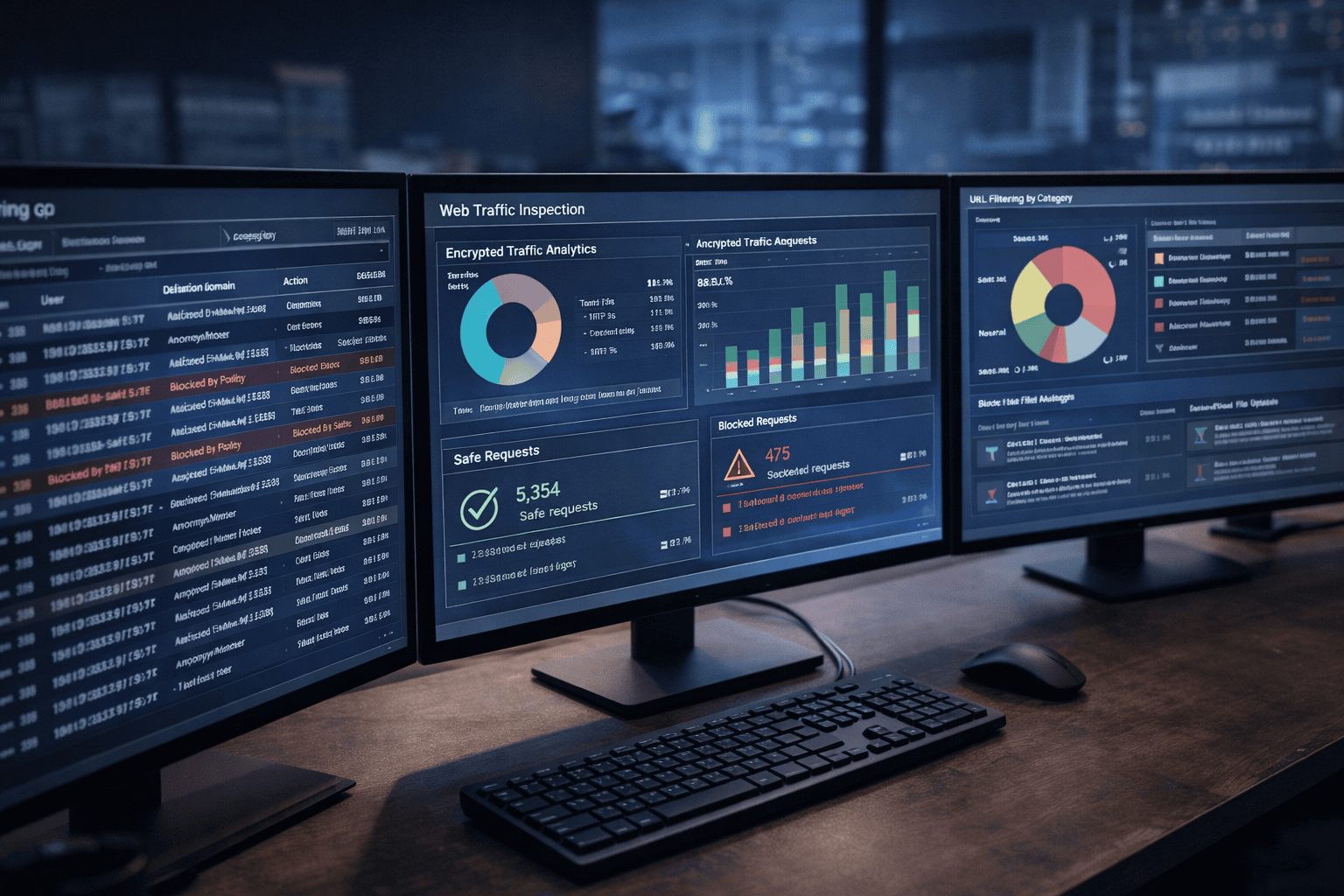
The problem? Most cyberattacks today actually enter through the web browser, phishing links, fake login pages, and malicious downloads.
So Zero Trust cannot exist without protecting internet access.
What a Secure Web Gateway Actually Does
You can edit text on your website by double clicking on a text box on your website. Alternatively, when you select a text box a settings menu will appear. your website by double clicking on a text box on your website. Alternatively, when you select a text box
A secure web gateway sits between users and the internet, inspecting all traffic before it reaches the user.
Think of it as an airport security check for web traffic.
Before a website opens:
- The request is intercepted.
- The destination is analyzed.
- The content is scanned.
- A decision is made to allow or block
It monitors both incoming and outgoing traffic and blocks malicious content, malware, ransomware, and phishing attacks.
Typical functions include:
- URL filtering
- malware detection
- application control
- data loss prevention
- encrypted traffic inspection
Without this inspection layer, Zero Trust has a massive blind spot.
Why Traditional Firewalls Are No Longer Enough
Firewalls were designed for office networks. But modern companies use:
- SaaS apps
- cloud storage
- remote work
- mobile devices
Attackers now hide inside encrypted HTTPS connections. In fact,over 87 percent of threats are delivered through encrypted channels.
Firewalls cannot fully inspect encrypted web sessions.
A gateway, however, can:
- decrypt traffic
- analyze it
- and safely re-encrypt it
This is where data encryption inspection becomes vital. We are not breaking security; we are verifying trust.
Role in Zero Trust Architecture
Zero Trust relies on three pillars:
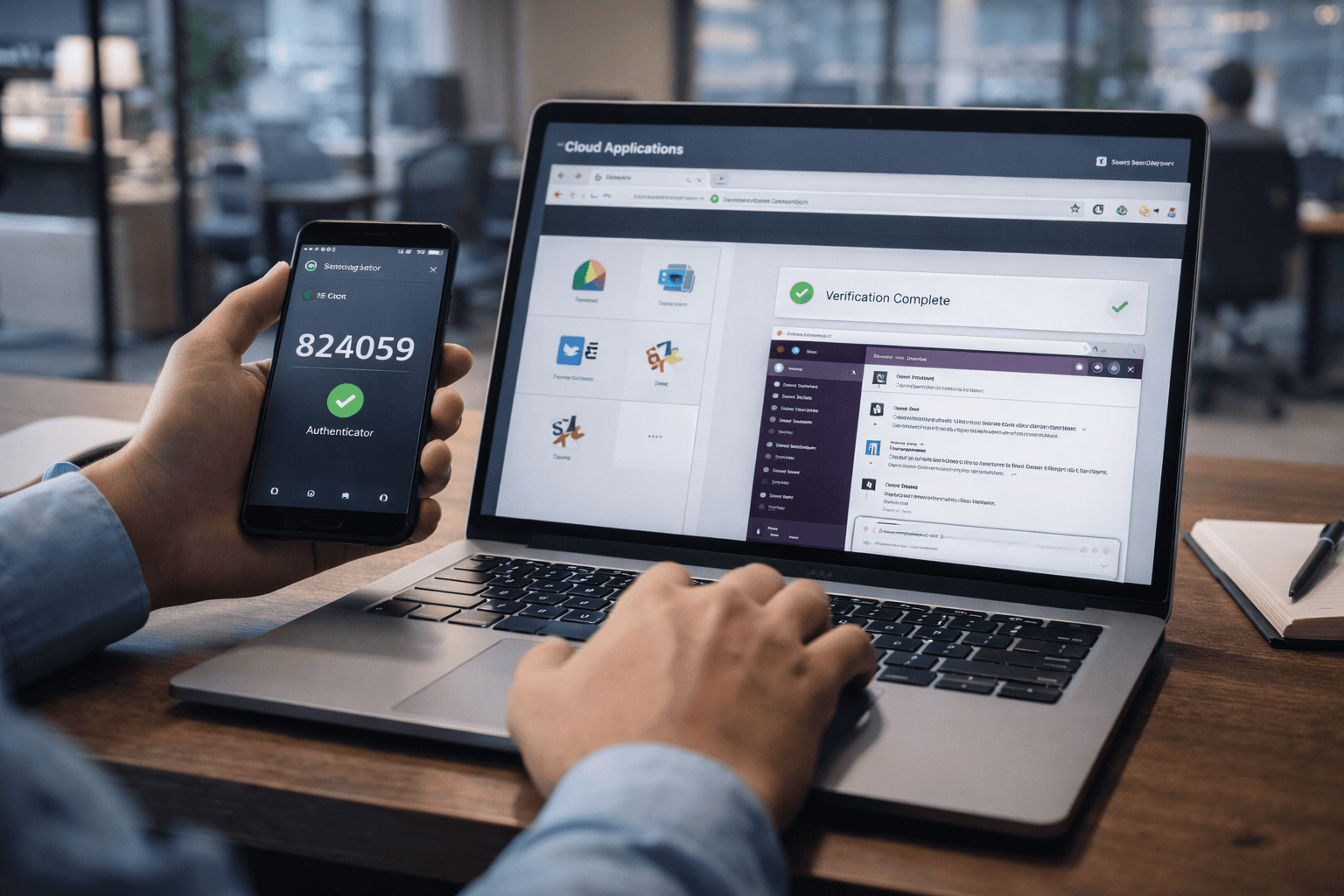
- Identity verification
- Device posture validation
- Secure internet access
The third pillar is exactly where the gateway operates.
It enforces policies like:
- Employees cannot upload company files to personal drives.
- Suspicious downloads are blocked.
- Unknown websites cannot open.
It ensures users only access approved web resources.
So, in Zero Trust:
- Identity verifieswho you are
- Endpoint verifiesyour device.
- The gateway verifieswhat you are accessing
Protection Against Phishing and Malware
Most breaches do not start with hacking.
They start with a click.
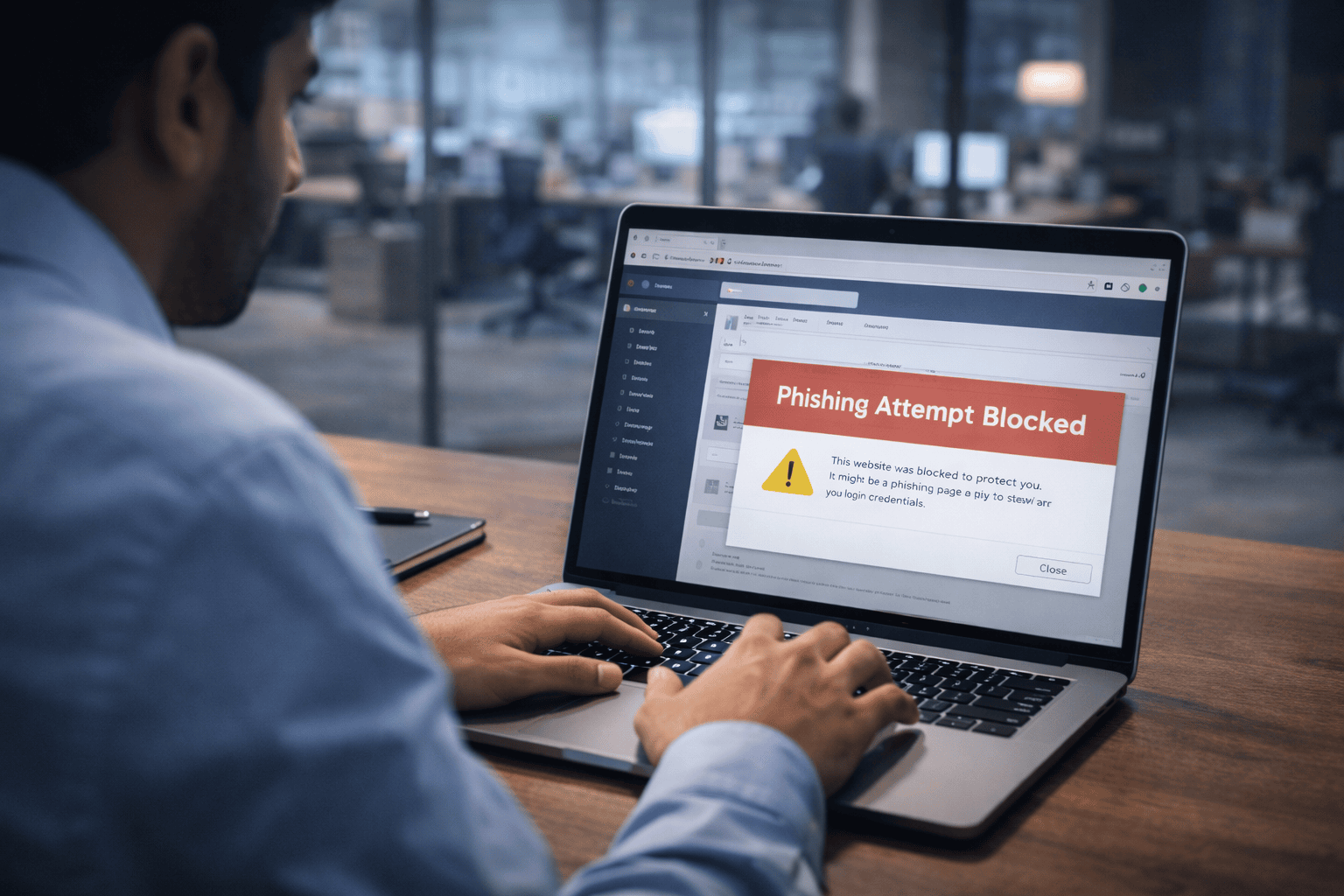
Example: An employee receives a fake Microsoft 365 login page. They enter credentials. Attackers now log in legitimately.
The gateway stops this by:
- blocking known malicious URLs
- detecting fake domains
- scanning downloads
It prevents malware infections and ransomware infiltration before they enter the network.
This is extremely important because CERT-In handledover 29 lakh cyber incidents in 2025.
Data Encryption and Data Loss Prevention
Many companies think security means blocking hackers.
Actually, the bigger risk is data leakage.
Employees may unintentionally:
- upload HR files to personal Gmail
- Share financial spreadsheets
- Sync confidential documents to cloud storage.
A gateway monitors outgoing traffic and prevents sensitive information from leaving the organization.
This is where data encryption and inspection work together.
It can:
- Inspect file uploads
- scan attachments
- block unauthorized sharing
Zero Trust requires controlling both the entry and exit of data.
Remote Work and Cloud Security
Today, the office network does not exist anymore.
Employees work from:
- home WiFi
- public cafes
- airports
- personal laptops
Every connection becomes an attack surface.
A gateway enforces security policies regardless of location. Even outside office premises, browsing is protected.
This solves the biggest Zero Trust challenge: security without a physical perimeter.
What is Dark Web Monitoring and Why It Matters
Now, let us address an important question:
What is dark web monitoring?
It is the continuous scanning of hidden internet forums and marketplaces to detect leaked credentials and stolen company data.
The dark web hosts:
- stolen passwords
- leaked employee emails
- customer databases
When attackers steal credentials via phishing, they often sell them online.
The gateway reduces these leaks by:
- blocking credential phishing pages
- preventing data exfiltration
- detecting suspicious uploads
In Zero Trust, dark web monitoring acts as the alarm system, while the gateway acts as the security guard.
Compliance and Regulatory Requirements in India
Indian organizations must comply with:
- RBI cybersecurity guidelines
- IT Act 2000
- CERT-In incident reporting
Failure to protect user data can result in penalties and reputational damage.
A gateway helps compliance because it:
- logs user activity
- tracks web access
- monitors data movement
Security auditing becomes easier because activity reports are available.
How It Works with Other Security Tools
Zero Trust is not one tool. It is an ecosystem.
The gateway integrates with:
- endpoint security
- SIEM platforms
- identity management systems
It acts as the web traffic enforcement layer, complementing firewalls and monitoring systems.
Together, they form a layered defense strategy.
Implementation Strategy for Organizations
We usually recommend a phased approach:
Step 1
Identify internet usage and risky applications.
Step 2
Apply browsing policies and URL filtering.
Step 3
Enable SSL inspection.
Step 4
Integrate with identity-based access.
Step 5
Add threat intelligence and monitoring.
Cloud-delivered gateways are now preferred because they protect remote users without VPN dependency.
Conclusion
Zero Trust security cannot function without controlling internet access.
Today:
- Users are outside the network.
- Applications are in the cloud.
- Attackers use browsers as entry points.
A secure web gateway becomes the front door security guard of the organization. It verifies every website, every download, and every data transfer.
Without it, Zero Trust becomes incomplete.
Key Takeaways
- Zero Trust requires continuous verification of users and web activity.
- Most cyberattacks enter through browsers and phishing links.
- Encrypted traffic now carries the majority of threats.
- Data encryption inspection prevents hidden attacks.
- Remote work makes web security mandatory.
- Dark web monitoring detects stolen credentials early.
- A secure web gateway is the enforcement layer of Zero Trust
FAQ
Q: What is a secure web gateway in simple terms?
A: It is a security system that checks every website a user visits and blocks dangerous or unauthorized ones.
Q: Is it necessary for small businesses?
A: Yes. Phishing and ransomware commonly target SMEs because their security is weaker.
Q: How is it different from a firewall?
A: A firewall protects network ports. A gateway protects internet browsing activity and web applications.
Q: Does it slow internet speed?
A: Modern cloud-based deployments operate in real time with minimal latency.
Q: Can it stop data theft?
A: Yes. It monitors uploads, downloads, and form submissions to prevent data leaks.