
India is facing an unprecedented wave of phishing attacks, with reports showing 265 million cyber incidents recorded in 2026 alone. These attacks are increasingly powered by AI, targeting individuals, enterprises, and government systems. For managed service providers (MSPs), the challenge is clear: how do we protect our clients in such a hostile digital environment? The answer lies in Extended Detection and Response (XDR).
According to Seqrite’s 2026 Cyber Threat Report, India experiences 505 detections every minute, highlighting the scale of the crisis. This statistic underscores the urgency of adopting advanced cybersecurity measures.
Phishing Attacks: The Modern Threat
AI-Driven Phishing: Attackers use generative AI to craft convincing emails and fake websites.
Sectoral Impact: Banking, healthcare, and manufacturing are prime targets.
Human Vulnerability: Employees remain the weakest link, often tricked by fraudulent invoices or login requests.
Why India is a Hotspot
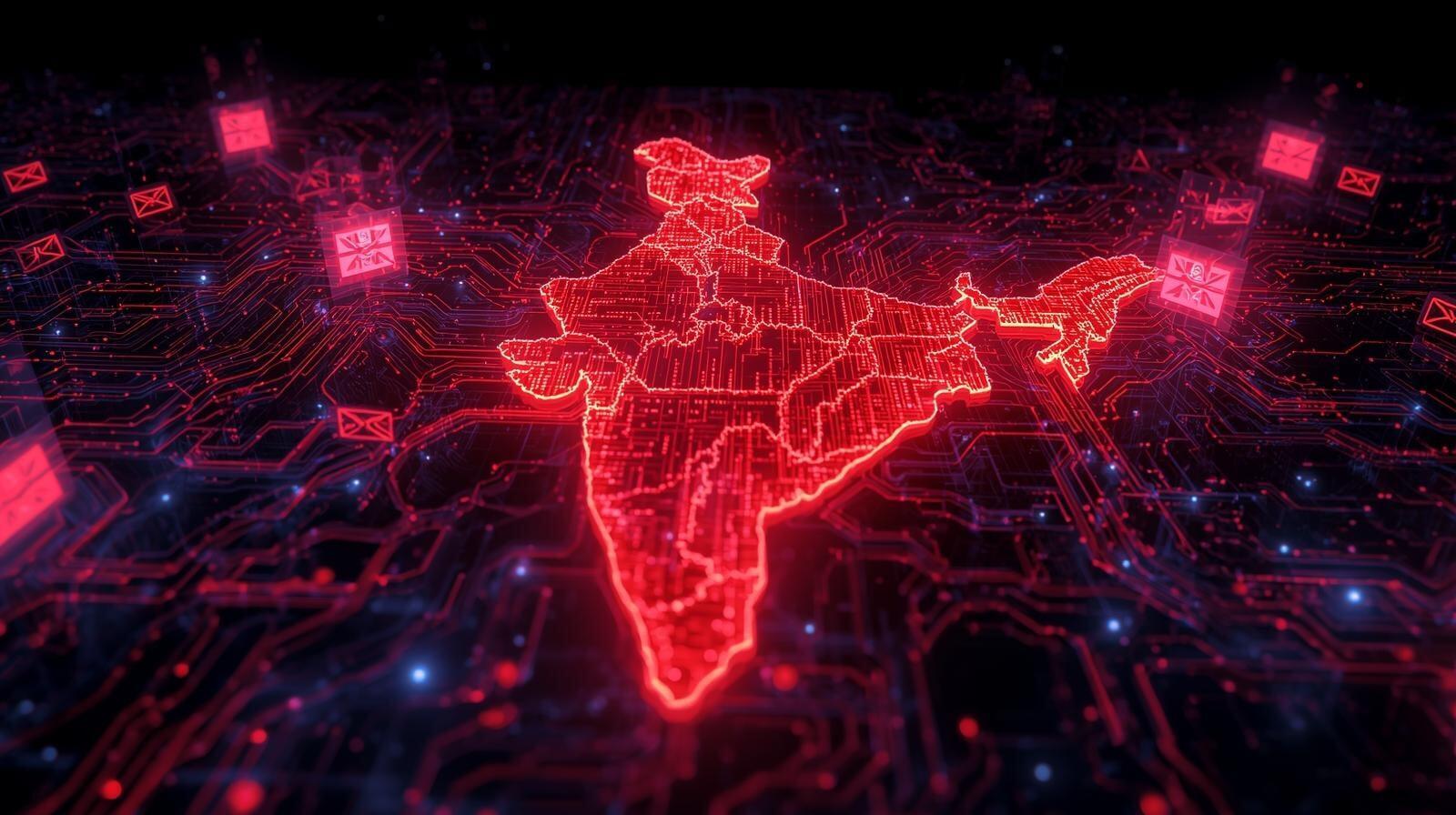
Digital Growth: Rapid adoption of digital platforms creates opportunities for attackers.
Awareness Gap: Millions of new users lack cybersecurity literacy.
Global Standing: India ranks among the top three countries globally for phishing.
Extended Detection and Response (XDR)
Definition: XDR unifies endpoint, network, cloud, and identity security into a single platform.
Key Benefits:
Real-time visibility across attack surfaces.
Automated detection and response.
Reduced attacker dwell time.
Examples: Microsoft Defender XDR and Deloitte MXDR are leading solutions.
MSPs: The Guardians of Digital Trust
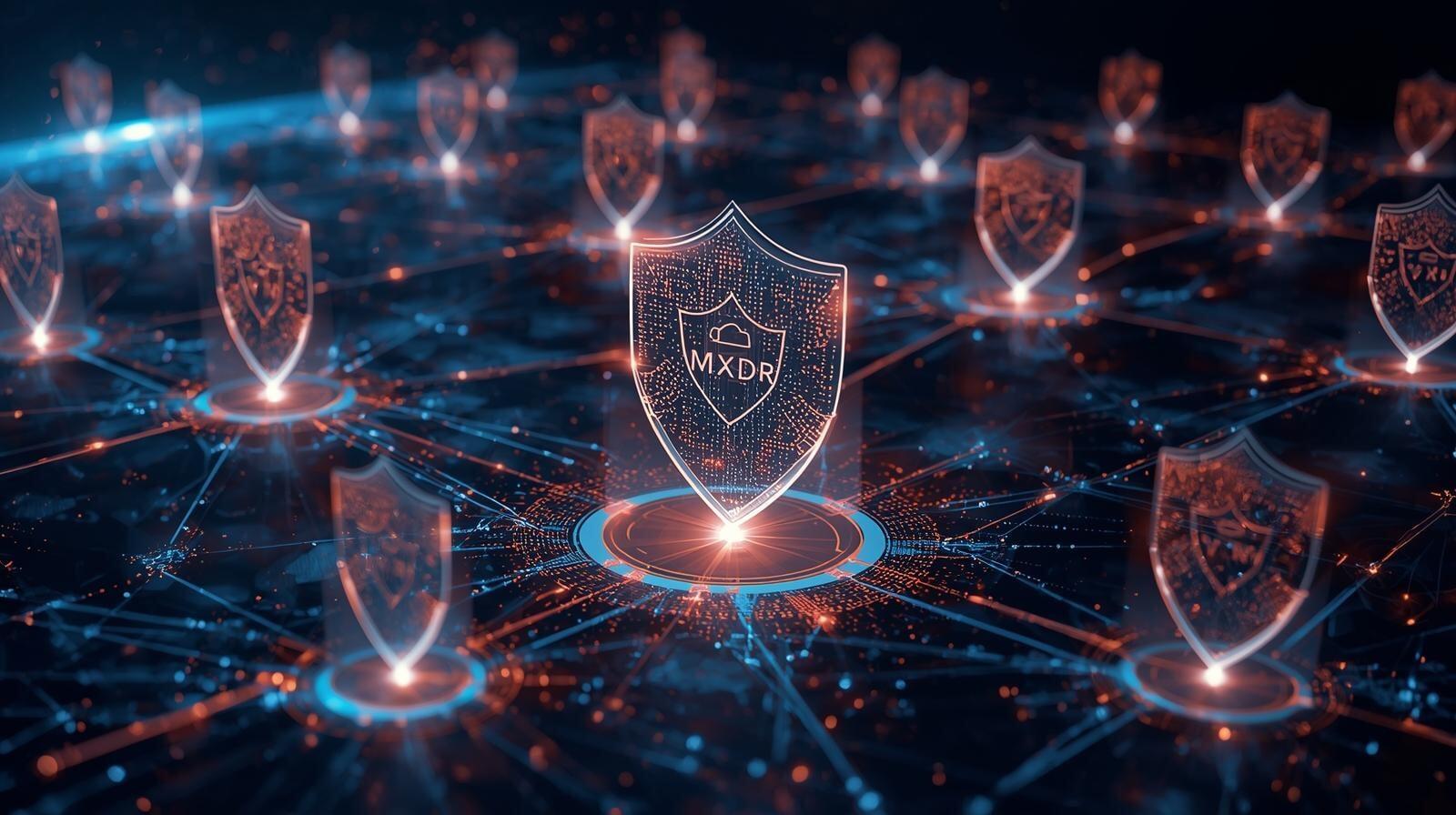
Role: MSPs deliver scalable cybersecurity services to SMEs and enterprises.
XDR Integration: MSPs can deploy XDR solutions across diverse client environments.
Value Proposition: Cost-effective, proactive defense against phishing.
Case Studies
Banking: Phishing drained crores from accounts, prompting banks to adopt XDR.
Healthcare: Hospitals targeted with ransomware disguised as phishing emails.
Manufacturing: Fraudulent supplier invoices disrupted supply chains.
Challenges in Adoption

Cost: SMEs struggle with upfront investment.
Skill Shortage: India faces a deficit of trained cybersecurity professionals.
Integration: Legacy systems complicate seamless XDR deployment.
Best Practices for MSPs
Awareness Training: Educate employees and clients.
Layered Security: Combine XDR with traditional defenses.
Continuous Monitoring: 24/7 vigilance with real-time threat intelligence.
Collaboration: Work with regulators and industry bodies.
Conclusion: Key Takeaways
Phishing attacks in India are escalating, with AI making them more sophisticated.
XDR offers holistic protection, essential for MSPs to safeguard clients.
MSPs must lead the defense, bridging technology and trust.
FAQs
Q: What is phishing?
A: Phishing is a cyberattack where attackers impersonate trusted entities to steal sensitive data.
Q: Why is India a major target?
A: India’s rapid digital growth and large user base make it attractive to cybercriminals.
Q: How does XDR help against phishing?
A: XDR provides unified visibility and automated response, enabling faster detection and containment.
Q: What role do MSPs play?
A: MSPs deploy and manage XDR solutions, offering cost-effective protection and building trust with clients.
A: High costs, skill shortages, and legacy system integration issues.