
Every day, millions of us in India and around the world live our lives online — from banking to communication, entertainment to employment. But while the surface web offers convenience, another part of the internet quietly hums beneath the surface — hidden, encrypted, and largely misunderstood. This is the dark web, and it presents one of the most pressing challenges to data protection and privacy in our increasingly digital world.
Imagine discovering that your personal details — from email addresses to financial records — are being traded like commodities in shadow markets where criminals operate with near-impunity. For security professionals and ordinary citizens alike, this is not science fiction — it’s a reality that demands urgent attention.
In this article, we explore the dark web, its implications for data protection and privacy, and how our cyber teams are responding to this silent storm, especially within the context of India’s fast-digitalizing society.What Is the Dark Web? A Hidden Internet Layer
To understand the threat, we must first define the terrain. The internet is often described in layers:
Surface Web: Accessible via search engines, this is where most of us spend our time.
Deep Web: Includes email inboxes, private databases, and medical records — content not indexed by search engines but not inherently malicious.
Dark Web: A small segment of the deep web that is intentionally hidden and accessible only through special software like Tor or I2P.
Why the Dark Web Matters: Dual-Edged Privacy
There is a paradox at the heart of the dark web:
Privacy advocates sometimes view it as a refuge from censorship and surveillance.
Cybercriminals view it as a marketplace for stolen data, illicit tools, and services that facilitate cybercrime.
This dual nature has profound implications for both individuals and organizations:
Anonymous communications can protect journalists and activists.
But the same anonymity shields criminal markets that trade stolen data and cyberattack tools. Wikipedia
The Dark Web and Data Theft: A Growing Global Threat
Recent global research reveals that the dark web is a thriving marketplace for stolen personal and corporate data. In 2024, e-mail addresses and passwords were found together in nearly 90% of exposed datasets, revealing how frequently such basic credentials are stolen and circulated. CRIF
Further statistics show that:
Credential combinations like email + password and username + password remain the most common data sets sold or traded. CRIF
Stolen personal data is leveraged in sophisticated attacks, including phishing, social engineering, and identity theft. PrivacyEnd
Dark Web’s Impact on Indian Data Protection and Privacy
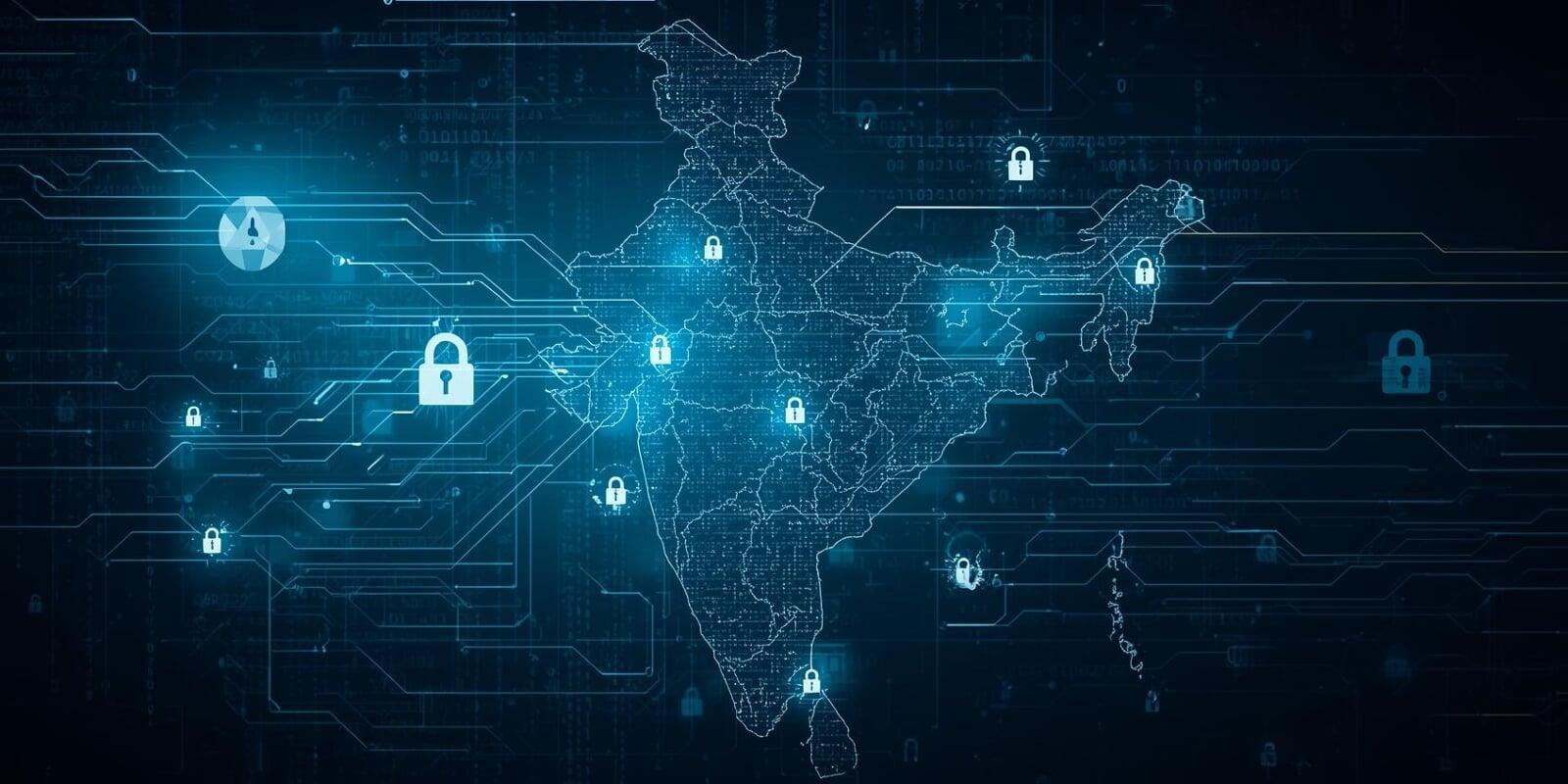
India’s rapid digital transformation has spurred technological adoption, but it has also exposed critical gaps in data protection. Multiple reports indicate that a significant portion of cybercrime in India is linked to dark web usage:
At least 20% of cybercrimes in India involve attackers using the dark web to source data, tools, or services that enable breaches, ransomware, and fraud. The Economic Times
This statistic is not just a number — it reflects how entrenched dark web dynamics are in the cybercrime ecosystem. From identity theft to large-scale data leaks, the dark web fuels the underground economy that prizes stolen information.
Real World Consequences: Stories Behind the Headlines
In India, the impacts are anything but abstract. Reports from cybersecurity forums and practitioner networks highlight disturbing trends:
Massive leaks of personal records — in some cases reportedly involving millions of Indian citizens — have circulated on dark web forums for months without widespread public acknowledgment. Reddit
Individuals frequently find their names, phone numbers, and other details exposed in breaches years after the event. These exposures often lead to spam calls, phishing attempts, and credit risk. Reddit
These examples underscore that the dark web is not a distant cyber threat — it’s a real and present reality for everyday Indians.
How Cyber Teams Monitor and Mitigate Dark Web Risks
 For organizations and security professionals — from corporate cyber teams to national CERTs — dark web monitoring is a critical layer of defense.
What is Dark Web Monitoring?
Dark web monitoring involves scanning underground forums, marketplaces, and hidden networks for mentions of specific data related to people, organizations, or digital assets. These services aim to detect leaks early and provide actionable threat intelligence. TechTarget
Key components of a robust dark web strategy include:
Threat Intelligence Gathering: Identifying emerging threats and trends that could impact your organization.
Credential and Data Scanning: Alerting when credentials or sensitive records appear in dark web contexts.
Incident Response Integration: Feeding dark web insights into broader security incident response playbooks.
Cyber Forensics: Investigating breached systems and tracking the sources of data exposures. Wikipedia
These capabilities empower cyber teams to move beyond reaction and into proactive defense.
Data Protection and Privacy: Legal & Regulatory Dimensions in India
India’s legal framework around data protection is evolving. While the Digital Personal Data Protection Act (DPDP Act) and related guidelines aim to strengthen privacy safeguards, enforcement and compliance remain pressing challenges:
Organizations must implement data minimization, consent frameworks, and breach notification protocols.
Failure to protect data can result in both regulatory penalties and reputational damage.
The presence of compromised data on the dark web can trigger compliance obligations and public disclosures.
Our teams find that integrating legal, technical, and operational perspectives accelerates compliance and reduces risk.
Building Organizational Resilience: Best Practices
Effectively protecting data in the age of the dark web requires a multi-layered approach:
1. Zero Trust Architecture
Assume no user or system is inherently trustworthy — verify at every step.
2. Regular Dark Web Scanning
Use tools and services that continuously monitor dark web sources for leaks.
3. Strong Authentication
Implement multi-factor authentication (MFA), passkeys, and secure password management.
4. Employee Training
Human error remains a leading cause of breaches. Regularly train staff on phishing, social engineering, and data handling.
5. Incident Response Planning
Prepare and practice responses when breach indicators emerge — including communication plans and legal notifications.
These strategies form the backbone of a data protection posture that is resilient against dark web threats.
Emerging Tools & Technologies for Dark Web Defense
Cyber teams are leveraging a combination of traditional security tools and advanced technologies, such as:
Open-Source Intelligence (OSINT) platforms like ShadowDragon for gathering public and dark web data. Wikipedia
Machine Learning for Dark Web Detection, which can identify malicious posts and discussions automatically. arXiv
Network Detection and Response (NDR) systems that flag hidden dark web interactions in network traffic. Reddit
What Individuals Can Do to Protect Their Privacy
While organizations should lead with strong security, individual vigilance matters too:
Use unique, strong passwords and enable MFA wherever possible.
Regularly check for data exposures using trusted services.
Be cautious with personal data — especially on unknown or untrusted platforms.
Educate families and peers about privacy risks and safe online behavior.
In a society where digital identity is increasingly central, personal responsibility complements institutional defense.
Key Takeaways
The dark web is a complex, hidden layer of the internet with serious implications for data protection and privacy. For us in India — as individuals, organizations, and cyber teams — understanding this challenge is no longer optional.
Key takeaways:
Dark web markets facilitate the sale of stolen data and cyberattack tools, making data protection crucial.
A significant portion of Indian cybercrimes involves dark web usage by attackers. The Economic Times
Proactive dark web monitoring and threat intelligence are essential components of modern cybersecurity.
Legal and regulatory frameworks in India are evolving, but organizational responsibility remains paramount.
Combined individual and institutional defenses offer the best chance of safeguarding privacy in a digitally connected future.
Together, we must confront the unseen threats of the digital world — not with fear, but with informed action.
Frequently Asked Questions (FAQ)
Q: What exactly is the dark web?
A: The dark web is a hidden part of the internet that cannot be accessed through traditional search engines and requires specialized software like the Tor browser to view. It is often associated with anonymity, which can be used for both legitimate privacy uses and illegal activities. Wikipedia
Q: Why should individuals worry about the dark web?
A: Personal information exposed in data breaches often ends up on the dark web, where it may be sold or misused — leading to identity theft, fraud, or privacy invasion. PrivacyEnd
Q: How do cyber teams monitor threats from the dark web?
A: Cyber teams use specialized monitoring tools, threat intelligence platforms, and analytic techniques to scan underground forums and marketplaces for mentions of compromised data or indicators of attack planning. TechTarget
Q: Does the dark web only contain illegal content?
A: No. While illegal activities are prevalent, some users also use the dark web for legitimate privacy-focused activities, such as secure communication in environments with censorship or surveillance. Wikipedia
Q: What steps can I take to protect my data?
A: Use strong passwords and MFA, avoid sharing sensitive information unnecessarily, monitor for breaches regularly, and stay informed about cybersecurity best practices.