Cybersecurity isn’t a buzzword anymore. As India accelerates toward digital transformation across enterprises, government, and startups, safeguarding our digital footprint has never been more critical. From traditional network monitoring to cutting-edge endpoint detection systems and content repositories, organisations need a clear mental model of how cyber defence frameworks work together.
In this extensive guide, we explain three cornerstone concepts that every IT leader, security practitioner, and digital professional should master:
👉 What is a Security Operations Center (SOC)?
👉 What is Endpoint Detection and Response (EDR)?
👉 What is Digital Asset Management (DAM)?
What is a Security Operations Center (SOC)?
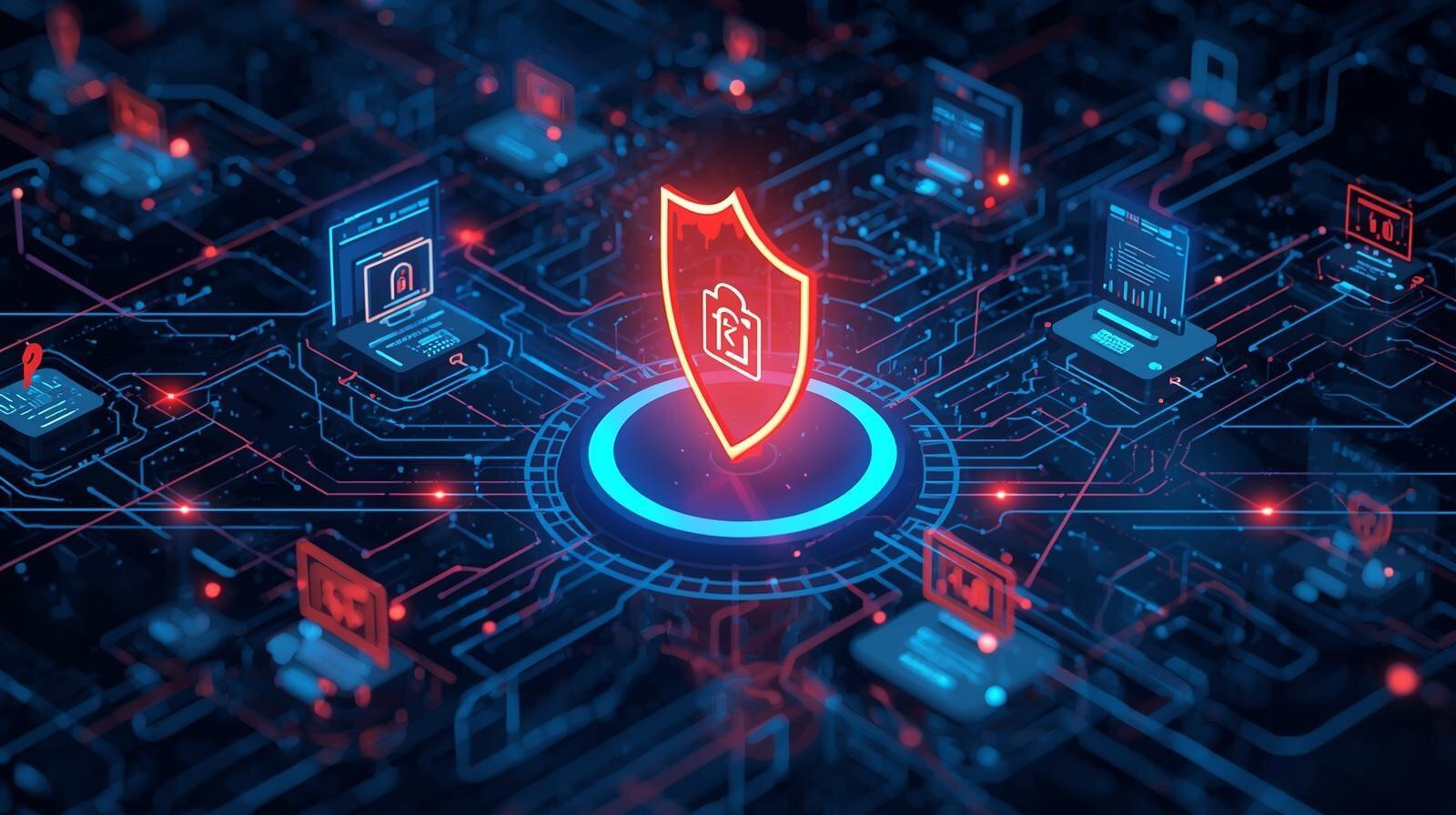
At its core, a Security Operations Center (SOC) is the nerve centre of cybersecurity operations within an organisation. A SOC is not just a room with screens — it’s a structured, mission-driven unit consisting of people, processes, and technologies designed to detect, investigate, and respond to cybersecurity incidents around the clock. (Wikipedia)
We often liken the SOC to an air traffic control tower: it continuously scans vast streams of security data — from network logs to user activity — to spot anomalies before they become breaches.
Why SOC Matters
In today’s threat landscape:
Cyberattacks strike 24×7, across networks, endpoints, cloud assets, and web applications.
SOC teams work in shifts to ensure continuous vigilance and rapid incident handling.
SOCs make security responses proactive, rather than reactive. (SOC Masters)
Core Components of a SOC
A robust SOC is built on three pillars:
1. People
This includes security analysts, incident responders, threat hunters, forensic experts, and SOC managers — each playing a role in the threat lifecycle.
2. Processes
Repeatable workflows, incident response playbooks, escalation paths, and documented policies that ensure consistent and rapid responses.
3. Technology
SOC technology typically includes:
SIEM (Security Information and Event Management)
SOAR (Security Orchestration, Automation, and Response)
Threat Intelligence platforms
These tools feed data, alerts, and context into the SOC’s decision-making engine.
What is Endpoint Detection and Response (EDR)?
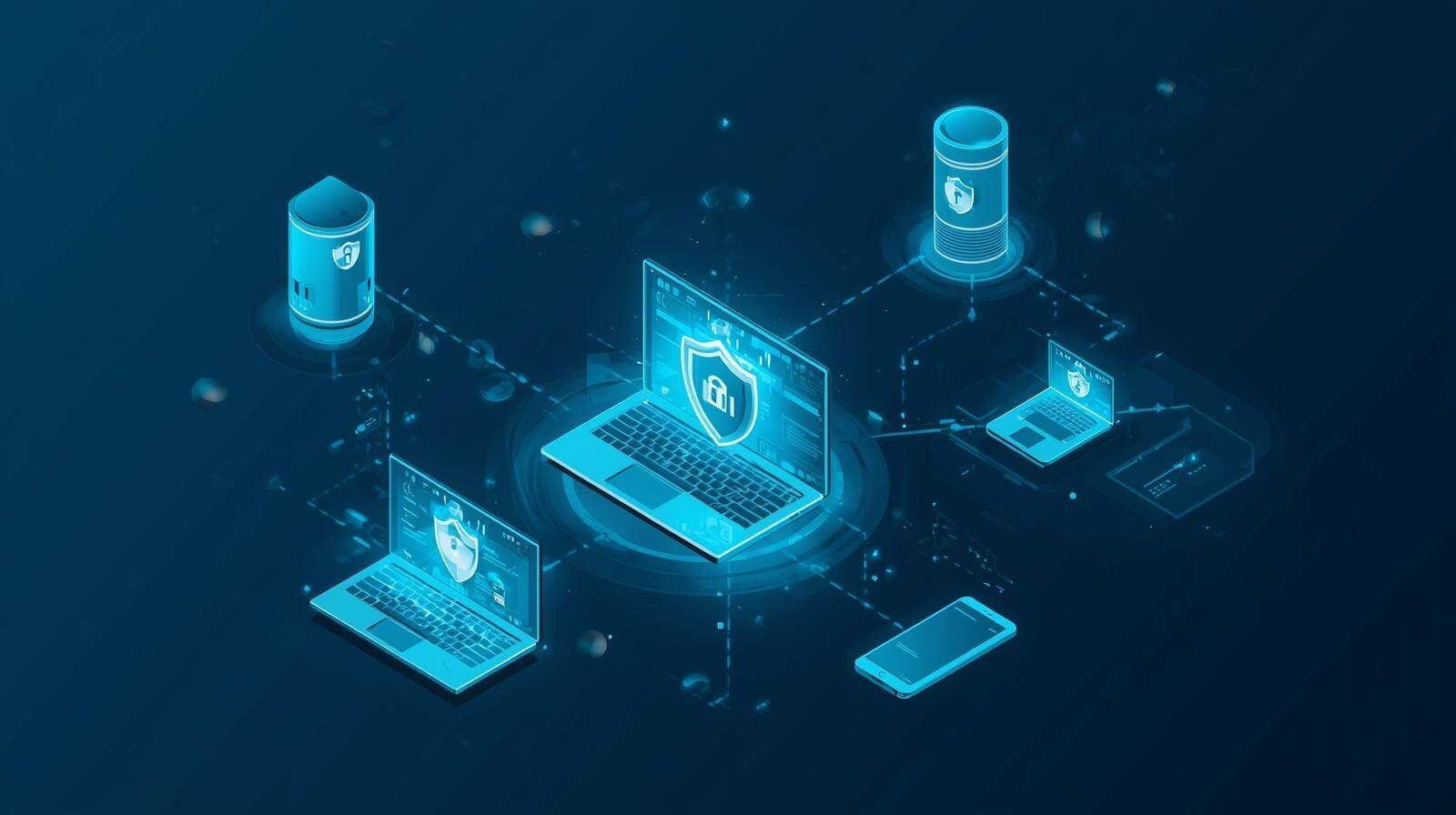
While SOC covers the bigger security picture, Endpoint Detection and Response (EDR) focuses specifically on the devices that connect to enterprise networks — such as laptops, mobiles, servers, and IoT devices.
EDR is a cybersecurity solution that continuously monitors and responds to threats on endpoint devices, giving security teams real-time visibility and response capabilities. (Webopedia)
Where traditional antivirus tools can fall short (especially against zero-day exploits and behavioural threats), EDR systems actively monitor endpoint behaviour, analyze suspicious activity, and enable rapid response actions.How EDR Works
EDR platforms typically perform the following:
Data Collection: Gather endpoint logs, process activity, network connections, file changes, and other system behaviours.
Anomaly Detection: Use analytics and machine learning to identify deviations from normal behaviour patterns.
Alerts & Correlation: Trigger alerts to SOC teams or automated workflows when suspicious events occur.
Response Actions: Automatically isolate devices, halt a process, or initiate remediation steps to contain threats. (Webopedia)
In essence, EDR is your organisation’s digital guard dog — watching every endpoint, raising alarms early, and working with the SOC to block sophisticated threats.
EDR’s Role Within a SOC
EDR is one of the most critical tools feeding data into the SOC. SOC analysts use EDR telemetry — rich endpoint logs and behavioural data to:
Investigate incidents deeply
Hunt for stealthy threats
Perform forensic analysis
Contain outbreaks before they escalate.
What is Digital Asset Management (DAM)?

While SOC and EDR focus on security, Digital Asset Management (DAM) deals with the organisation, governance, and accessibility of digital content itself.
In today’s world of content-driven marketing, media libraries, product documentation, and brand resources, DAM has become indispensable.
DAM is a system — both process and software — that helps organisations store, organise, manage, retrieve, and distribute digital assets such as images, videos, audio files, documents, and other multimedia content. (IBM)
Why DAM Matters
With data and digital content exploding in volume:
Team members struggle to find the right current version of a file.
Permissions and rights management can become chaotic.
Inconsistent asset usage can dilute brand identity.
A DAM system solves these problems by providing a centralised, searchable repository that enforces version control, user permissions, metadata tagging, and streamlined workflows. (Adobe Business)
Core Benefits of DAM
Centralised Access — All digital assets are stored in one location. (frontify.com)
Improved Collaboration — Teams across India and the world can access the same assets, reducing duplication and silos. (sitecore.com)
Brand Consistency — Ensures every published asset aligns with brand standards. (Adobe Business)
Security & Compliance — Controlled access and rights management reduce legal and data risks. (Cloudinary)
How SOC, EDR & DAM Work Together
Although these concepts belong to different domains (security vs content management), they intersect in modern enterprise environments:
SOC + EDR: Protect infrastructure and endpoint devices from cyber threats.
EDR + DAM: Ensure that the devices storing and accessing digital assets are secure.
SOC + DAM: Provide audit trails and security controls for access to sensitive digital content.
As digital transformation deepens across industries in India — from finance to e-commerce to public sector digital services — integrating these systems ensures both operational efficiency and cyber resilience.
Key Takeaways
SOC is your security control tower that protects enterprise infrastructure through people, processes, and tools.
EDR is a specialised cybersecurity tool that continuously watches and responds to threats on endpoints.
DAM is a business system that organises, secures, and manages digital content for enterprise use.
Together, they form a holistic approach to secure, accessible, and governed digital operations.
Frequently Asked Questions
Q: What’s the difference between EDR and traditional antivirus?
A: EDR goes beyond signature-based scanning — it monitors behaviour, detects zero-day threats, and enables response actions in real-time, whereas antivirus only checks files against known signatures.
Q: Can a company operate without a SOC if it has strong EDR?
A: EDR provides endpoint visibility, but a SOC provides the centralised threat correlation and response capability. For medium to large organisations, both are essential.
Q: Is digital asset management necessary for small businesses?
A: Yes — even small teams benefit from centralised asset libraries and version control when producing marketing and brand content.
Q: How do SOC and DAM intersect in governance?
A: While SOC focuses on security, it can enforce access controls and audit digital content access, ensuring security policies for DAM systems are upheld.
A: Good DAM solutions include permissions, rights management, and audit trails, but integrating them with security tools (IAM, SOC monitoring) enhances protection.